
Fishing › Guides › How to Hook a Nightcrawler
To hook a nightcrawler, push the hook point in about half an inch behind the head (the end nearest the thick band), bring it out, then pierce the body two or three more times so the hook is secured and the back half of the worm hangs free to wiggle. Use a size 6 to 1/0 hook for most freshwater fish, match the amount of worm to the size of the fish’s mouth, and keep your crawlers cool so they stay lively.
Key takeaways
- Hook the head end, not the tail; the head is the end closest to the smooth band (clitellum).
- Pierce the worm several times through its first third and leave the rest free to move.
- Threading (sock) hides the hook best but loses more worms to short-striking fish.
- Use whole crawlers for bass, walleye and catfish; use 1 to 2 inch pieces for perch, bluegill and other panfish.
- Cool, damp, dark storage keeps crawlers lively, and a lively worm gets more bites.
In this guide
- Before You Start: Pick the Right Worm and Hook
- Method 1: The Standard Hook (Most Secure)
- Method 2: Threading the Worm (Sock Method)
- Other Ways to Hook a Nightcrawler
- Keep Your Nightcrawlers Fresh and Lively
- Common Mistakes and When to Set the Hook
- Adjusting for Fish, Season and Water
Before You Start: Pick the Right Worm and Hook
A good hookup starts before the hook touches the worm. Nightcrawlers usually run from about 4 to 8 inches long, and you want one that is firm, plump and active. A limp, pale crawler tears easily and barely moves once it hits the water.
Find the head before you hook anything. The head is the end closest to the smooth, swollen band around the body called the clitellum. It is also the tougher end and usually leads when the worm crawls. Hooking near the head and letting the tail dangle gives the most natural look.
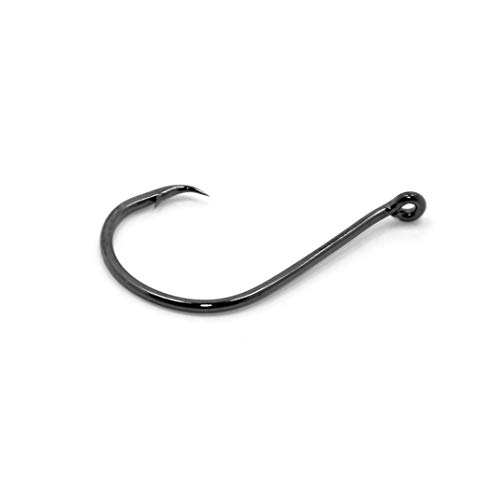
Hook size matters as much as the worm. A hook that is too big for the fish will not fit in its mouth, and one that is too small gets buried in the worm and misses fish on the hookset. Fine-wire bait hooks with barbs on the shank (often sold as baitholder hooks) help keep the crawler from sliding down into a ball.

Starting hook sizes and worm amount by target fish
| Target fish | Hook size | How much crawler |
|---|---|---|
| Bluegill, sunfish, crappie | #8 to #10 | 1 inch piece |
| Yellow perch | #6 to #8 | 1 to 2 inch piece |
| Trout (where bait is legal) | #6 to #10 | Half a crawler or small piece |
| Bass | #2 to 1/0 | Whole crawler |
| Walleye | #4 to #2 | Whole crawler, often on a harness |
| Channel catfish | #2 to 2/0 | Whole crawler or a gob of two |
Whole worm or pieces?
Fish pick food they can swallow easily. A bass or catfish will happily eat a full crawler, while a bluegill or perch will mostly peck at the dangling tail and steal it. For small-mouthed fish, pinch the crawler into 1 to 2 inch pieces and thread one piece onto a small hook.
Method 1: The Standard Hook (Most Secure)
This is the method to learn first. It holds the worm on through repeated casts, lets enough of the body move to draw attention, and leaves the hook point free so you can set the hook cleanly. It works for bobber fishing, bottom rigs and casting.
The key is to cover the hook shank with worm while keeping the tail loose. Stop hooking at about the middle of the crawler. Everything past that point is your action, and it is what fish notice first.
If you are fishing slow water or a bobber, you can let a little more worm hang free. In current or when casting hard, add one more pierce to keep the worm from flying off. Leave the hook point and barb exposed slightly, or just barely tucked under the skin, so the point can grab when you set the hook.

Standard nightcrawler hookup
- Find the headLocate the end nearest the smooth band; that is where you start.
- First piercePush the point in about half an inch behind the head and bring it fully out the other side.
- Add 2 or 3 more piercesSlide the worm up the shank and pierce it again every half inch to an inch.
- Stop at the middleWork up to roughly the midpoint of the worm, then stop.
- Leave the tail freeLet the back half dangle so it can wiggle naturally.
- Check the pointMake sure the hook point is exposed or barely covered so it can penetrate on the hookset.
Why not just hook it once?
A worm hooked a single time through the head spins in current, slides off on the cast and comes off with the first light nibble. The extra pierces spread the pull across more of the body, which is why this method loses the fewest worms.
Method 2: Threading the Worm (Sock Method)
Threading, sometimes called sock baiting, slides the worm over the hook like a sock over a foot. The hook ends up almost completely hidden inside the worm, which can help with wary fish in clear water or heavily fished spots.
It works best with a healthy, medium-thick crawler. A very thin worm lets the point poke out the side as you thread it, and an oversized one makes a bulky bait that small fish cannot get in their mouths.
The tradeoff is security. Because the worm is held by friction along the shank instead of several pierces, fish can grab the free tail and tear it off. Bring extra worms if you use this method, and set the hook a little sooner than you would on a standard hookup.

Tip: Wet your fingers or rub a little dirt on them before threading. A slippery crawler is the main reason the hook slips and ends up in your thumb instead of the worm.
How to thread a nightcrawler
Insert the hook point into the head end, about half an inch from the tip, but do not bring it out. Gently feed the worm up the bend and onto the shank, keeping the point inside the body. When most of the hook is covered, usually by the first third of the worm, push the point out through the side. Leave the rest of the worm hanging free.
The point should come out cleanly so it can hook the fish. A fully buried point looks natural but often pulls free on the hookset.
Other Ways to Hook a Nightcrawler
The standard and threaded methods cover most situations, but a few other hookups solve specific problems. Choose based on how you are fishing and what you are after.
Nightcrawler hooking methods compared
| Method | Holds on | Natural look | Best for |
|---|---|---|---|
| Standard multi-pierce | High | Good | General bait fishing, bobbers, bottom rigs |
| Threaded (sock) | Medium | Very high | Wary fish, clear water |
| Wacky (middle) | Low | High action | Bass, slow sinking presentations |
| Nose hook / harness | Medium | High in current | Walleye, drifting, trolling |
| Gob or ball | High | Low | Catfish, bottom fishing |
| Small pieces | High | Good | Perch, bluegill, crappie |
Wacky (middle) hook
Pierce the worm once through the middle so both ends dangle equally. Both halves wiggle as it sinks, which can be very effective for bass on a light weight or no weight at all. It is the least secure hookup, so expect to lose worms to small fish.
Nose hook for drifting and harnesses
Hook the worm once through the very tip of the head so it trails straight behind the hook. This is the classic setup for drifting in current or using a crawler harness (a spinner blade ahead of two or three small hooks) for walleye. On a harness, put the front hook through the nose and the trailing hooks farther down the body so the worm stretches out straight and does not spin.
Gob or ball for catfish
Loop one or two crawlers onto the hook several times so they form a ball with ends hanging out. The extra scent and size suits catfish and other bottom feeders that hunt by smell more than sight.
Pieces for panfish
Pinch off a 1 to 2 inch section and thread it on a small hook, covering most of the shank. Small pieces mean fewer stolen baits and more fish actually hooked, and one crawler can last for several fish.
Keep Your Nightcrawlers Fresh and Lively
A fresh, active crawler gets noticeably more attention than a stretched-out, half-dead one. Nightcrawlers are cool-weather animals, and heat is what kills them fastest.
Store them in damp bedding (worm bedding, shredded damp newspaper or moist soil) in a breathable container. Keep them in a refrigerator or cooler at roughly 40 to 50°F. The bedding should feel like a wrung-out sponge, never soggy and never dry.
On the water, keep the container in shade or in a cooler, not on a hot boat deck or dashboard. Only take out one worm at a time. Pull out dead or broken worms right away, since they spoil quickly and can kill the rest of the batch.
If you gather your own, nightcrawlers come to the surface on damp nights, especially after rain. Pick them up gently with a quick, steady pull and use a dim or red light so they do not retreat into their burrows. Check local rules before moving or dumping bait, and never release leftover worms in a new area. Throw unused worms in the trash rather than on the ground near the water.

Nightcrawler care checklist
- Damp, not soggy, bedding
- Container with air holes
- Fridge or cooler at about 40 to 50°F
- Kept in shade on the water
- Dead or broken worms removed daily
- One worm out at a time
- Leftovers disposed of in the trash, not released
Common Mistakes and When to Set the Hook
Most stolen worms come down to a few avoidable mistakes. Fix these and you will spend more time fishing and less time rebaiting.
Too much worm hanging off the hook is the big one. Small fish grab the tail and pull it off without ever touching the hook. If you keep getting cleaned out with no hookups, shorten the free tail or switch to pieces.
Burying the point is the second. A fully hidden point looks great but often fails to penetrate on the hookset. Third is a hook that is too big or too small for the fish, which is why the size table above matters.
Safety note: If a fish is hooked deep and you plan to release it, cutting the line close to the hook is often better than tearing the hook out. Check your local regulations for bait and hook rules, since some waters restrict live bait or require certain hook types.
Timing the hookset
With a J-hook, fish that swallow a worm can easily get hooked deep in the throat or gut. To limit that, set the hook soon after the bobber goes under or you feel a steady pull rather than waiting a long time. Panfish often take the bait in a quick peck, so watch your line closely.
For catch and release, circle hooks are a strong option. They tend to hook fish in the corner of the mouth, and you just reel steadily instead of jerking. Our guide to circle hooks for fishing covers good choices for bait rigs.
Safety
Always hold the worm, not the hook, and pierce away from your fingers. Keep a pair of needle-nose pliers or forceps handy for removing hooks from fish. If a hook goes past the barb into your skin, stop and get proper help if you are unsure how to remove it safely.
Adjusting for Fish, Season and Water
Nightcrawlers catch almost anything that swims in fresh water, so you cannot fully control what bites. You can, however, tilt the odds with your hook size, worm size and presentation.
For bass, a whole crawler on a #2 to 1/0 hook, either standard or wacky style, is a classic. See our picks for fish hooks for bass fishing if you need a better hook. For catfish, go bigger with a gob on the bottom, and consider sturdier fishing hooks for catfish that can handle heavier fish.
In cold water during early spring and late fall, fish feed less aggressively. Smaller baits and a slow, natural presentation usually work better than a large, flashy offering. In warm summer water, worms die faster on the hook, so check and replace them more often.
In current, the nose hook or a well-secured standard hookup prevents the worm from spinning and twisting your line. In still water, a little more free tail adds action. Remember that bait rules vary by state and by water, and some trout streams and special-regulation areas ban live bait entirely, so check local regulations before you go.
Gear that helps
Our guide
9 Best Circle Hooks for Fishing
Circle hooks reduce deep hooking when fish swallow a nightcrawler, which is helpful for catch and release.

Our guide
10 Best Fish Hooks for Bass Fishing
Bass are one of the most common targets for whole nightcrawlers, and the right hook size improves hookups.

Our guide
10 Best Fishing Hooks for Catfish
Catfish love gobs of crawlers, and stronger hooks handle their weight on bottom rigs.
Questions
Which end of a nightcrawler do you hook?
Hook the head end, which is the end closest to the smooth, swollen band (the clitellum). It is tougher and holds the hook better, and leaving the tail free gives the most natural movement in the water.
What size hook is best for nightcrawlers?
For most freshwater fishing, a size 6 to 1/0 hook works well. Go smaller (#8 to #10) with worm pieces for panfish, and larger (#2 to 2/0) for catfish. Baitholder hooks with small barbs on the shank help keep the worm in place.
Why do fish keep stealing my worm?
Usually too much worm is hanging off the hook, so small fish nibble the tail without reaching the hook. Shorten the free tail, use the standard multi-pierce method, or switch to small pieces on a smaller hook.
Should I use a whole nightcrawler or cut it up?
Use whole crawlers for bass, walleye and catfish. For perch, bluegill, crappie and other small-mouthed fish, 1 to 2 inch pieces get more fish hooked and stretch your bait supply.
How do I keep nightcrawlers alive for fishing?
Keep them in damp bedding in a ventilated container at roughly 40 to 50°F, such as a refrigerator or cooler. Keep them out of the sun on the water and remove any dead worms right away so they do not spoil the rest.
Update log
Rewritten and expanded: clearer answers, 6 visual summaries, FAQ and related gear guides.


