
Fishing › Guides › Rain Boots for Fishing
Yes, rain boots work for a lot of fishing, especially bank fishing, muddy shorelines and calm-day trips in a small boat. They have real limits, though: most have poor grip on wet decks, no insulation and a short shaft, so they’re a bad choice for wading, slick boat decks and cold water. Hunter boots fit the same pattern. They’re great for mud and puddles, average for most fishing and a poor pick for anything that needs serious traction.
Key takeaways
- Rain boots keep you dry for bank, pier and dock fishing, as long as the water stays below the top of the shaft.
- The biggest problem is traction: many rain boot soles are made for pavement and grass, not wet fiberglass or slimy rocks.
- Hunter boots are well made and waterproof, but they’re heavy, uninsulated and have a lug pattern built for mud, not boat decks.
- For wading, regular boat trips or cold-weather fishing, deck boots, insulated fishing boots or waders with wading boots are safer and more comfortable.
In this guide
- The Short Answer: Rain Boots Work, Within Limits
- Rain Boots vs. Fishing Boots vs. Waders
- Are Hunter Boots Good for Fishing?
- Matching Your Boots to Where You Fish
- Safety Issues Anglers Overlook
- How to Make Rain Boots Work Better for Fishing
- When It’s Time to Get Real Fishing Boots
The Short Answer: Rain Boots Work, Within Limits
Any fully rubber or PVC rain boot keeps water out, and for many anglers that’s all they need. If you fish ponds, lakes or rivers from the bank, walk through wet grass at dawn, or stand on a muddy shoreline, a basic pair of rain boots does the job fine.
The trouble starts when the fishing gets more demanding. Rain boots are designed for walking around town or the yard. The tread, the fit, the warmth and the shaft height all reflect that, and none of those choices were made with boats, rocks or cold water in mind.
So the real question isn’t whether rain boots are waterproof. It’s whether they’ll grip, stay comfortable and keep you safe where you plan to fish. For a casual pond trip, yes. For a slippery deck in a chop or a rocky stream crossing, often no.
Tip: Before your first trip, test your rain boots on a wet, smooth surface like a hosed-down driveway or a wet tile step. If they slide there, they’ll slide on a boat deck.
Where rain boots shine
Rain boots do best on soft ground: mud, sand, wet grass and gravel banks. Lug soles bite into soft surfaces well, and a tall shaft keeps splashes and dew off your pants. They’re also easy to hose off and quick to pull on for a short evening trip.
Where they struggle
Hard, wet, smooth surfaces are their weak spot. Fiberglass decks, wet aluminum, algae-covered rocks and slimy boat ramps can make a standard rain boot feel like it’s on ice. Add fish slime, bait juice or a rocking boat and the risk grows quickly.
Rain Boots vs. Fishing Boots vs. Waders
It helps to know what each type of footwear is actually built for. They all look like rubber boots at a glance, but the soles and construction are very different.
Deck boots are the closest relative to rain boots. They’re usually shorter, lighter and have siped soles: thin slits cut into flat rubber that channel water away and grip wet, smooth surfaces. That’s why commercial fishermen and boaters wear them instead of garden boots.
Insulated fishing boots sit between the two. They often look like tall rain boots but add a neoprene or foam layer that holds warmth, plus a snugger fit around the ankle so your foot doesn’t slide. Many also use tougher rubber that stands up better to salt, fish slime and sharp rocks.
Waders and wading boots are a separate category. If you plan to stand in water deeper than your ankles, rain boots will eventually fail you, because water simply pours over the top.
How common fishing footwear compares
| Footwear | Sole type | Best use | Main weakness |
|---|---|---|---|
| Rain boots | Lugged, made for mud and pavement | Bank, pond, pier fishing | Slips on wet decks and rocks |
| Deck boots | Siped, non-marking | Boats, docks, kayak launches | Short shaft, less warmth |
| Insulated fishing boots | Lugged or siped, with liner | Cold-weather shore and boat fishing | Heavier, warmer than needed in summer |
| Chest or hip waders | Stockingfoot or bootfoot | Wading rivers and surf | Hot, bulky, needs care |
| Wading boots | Felt or sticky rubber | Wading over rocks with stockingfoot waders | Not waterproof on their own |
Are Hunter Boots Good for Fishing?
Hunter boots are popular, well-built rain boots made mostly of natural rubber. They’re fully waterproof and their tall versions keep splashes well away from your legs. For walking a muddy riverbank or a soggy lakeshore, they work about as well as any quality rain boot.
Where they come up short is the same place most fashion-forward rain boots do. The classic tall styles are fairly heavy and have a roomy fit around the calf and ankle, which can feel sloppy on uneven ground. The outsole is a lug pattern built for mud and wet streets, not the siped tread that grips a wet boat deck.
They also aren’t insulated in their standard form. On a cold morning or standing in cold water, rubber pulls heat out of your feet fast. You can add a fleece boot sock or liner, but that makes the fit snugger and some people find it uncomfortable over a long day.
Natural rubber and salt water
Natural rubber boots can develop a white, chalky film called blooming. It’s harmless and mostly cosmetic, but salt, sun and heat can speed up wear on rubber in general. If you fish salt water in Hunters or any rubber boots, rinse them with fresh water after each trip and store them out of direct sun.
The verdict on Hunters
Hunter boots are a reasonable pick if you already own a pair and mostly fish from shore. If you’re buying boots specifically for fishing, especially boat fishing, you’ll get better grip and comfort from boots designed for the job, often for less money.
Matching Your Boots to Where You Fish
The right call depends almost entirely on your fishing spot. A pond angler and an offshore angler have completely different needs, even if both are just trying to keep their feet dry.
Think about three things: what surface you’ll stand on, how deep the water might get, and how cold it will be. Those answers tell you more than any brand name or price tag.
If you fish from a boat most of the time, it’s worth looking at boots built for boat fishing, since deck grip matters more there than anywhere else.
Are rain boots a good fit? Quick guide by fishing type
| Fishing type | Rain boots OK? | Better choice |
|---|---|---|
| Pond or lake bank | Yes | Rain boots are fine |
| Pier or dock | Usually | Deck boots for wet planks |
| Small boat, calm day | Sometimes | Deck boots |
| Offshore or fiberglass deck | No | Siped, non-marking deck boots |
| Wading rivers | No | Waders plus wading boots |
| Surf fishing | No | Chest waders or wet wading in warm water |
| Ice fishing | No | Insulated pac or winter fishing boots |
Bank and pond fishing
This is where rain boots fit best. The ground is soft, the water stays below your ankles and you can step back to dry land anytime. Standard rain boots are a perfectly good choice here.
Boat and kayak fishing
Wet decks and moving boats call for siped soles that won’t leave black marks. Rain boots can work on a calm day in a jon boat, but on fiberglass or in waves they become a fall risk. For kayak launches, short deck boots are easier to manage than tall rain boots.
Surf, rivers and streams
Waves and current will push water over a rain boot’s shaft quickly. Rocks covered in algae are among the slickest surfaces anglers face. Waders with proper wading boots are the safer setup here.
Cold-weather and ice fishing
Uninsulated rubber boots get cold fast on ice or in winter water. Insulated boots with a rated liner, or pac-style boots, keep your feet far warmer and reduce the risk of cold injury on long sits.
Safety Issues Anglers Overlook
Slips and falls are the biggest risk with the wrong boots. A fall on a boat can mean a broken wrist, a head injury or going overboard. On a stream, a slip on a rock can put you in cold, moving water. Boots with good grip on your specific surface are the first line of defense.
There’s a long-running claim that boots or waders fill with water and drag you under. Water inside your boots doesn’t weigh more than the water around it, so it won’t sink you by itself. What does happen is that heavy, water-filled footwear makes swimming and climbing out much harder. The fix is the same either way: wear a life jacket on boats and when wading in deep or fast water.
Tall rain boots can also be hard to kick off in an emergency, especially snug ones. Practice getting them off quickly at home so you know how they behave.
Boot safety check before you head out
- Soles grip on a wet, smooth test surface
- Boot shaft is taller than the deepest water you’ll stand in
- Boots come off quickly if you fall in
- Life jacket is on for boat trips and deep or fast wading
- Dry socks packed in a waterproof bag
- Insulation or liner added for cold-water days
- Tread isn’t worn smooth at the heel or toe
Hooks, spines and knives
Thin rubber won’t stop a treble hook, a catfish spine or a dropped fillet knife. Keep hooks covered, watch where you step around a busy cooler and never go barefoot or in thin boots on a deck with loose tackle.
Cold water and cold feet
Wet, cold feet lose heat quickly, and long exposure can lead to painful cold injuries. In cold seasons, choose insulated boots, keep dry socks in a bag and get your feet warm if they go numb.
How to Make Rain Boots Work Better for Fishing
If rain boots are what you have, a few simple tweaks make them more comfortable and a bit safer. None of these turn a garden boot into a deck boot, but they do help on everyday trips.
Fit matters more than people expect. A rain boot that’s loose around the heel lets your foot slide, which causes blisters and makes footing less stable on uneven banks. A thicker sock or a cushioned insole often fixes that.
Think about what goes on above the boot, too. Tuck rain pants or bibs over the shaft, not inside it, so rain and spray run down the outside instead of into your socks. On boats, keep the deck rinsed of slime and bait, since even good soles lose grip on a slick surface.
Care matters too, especially in salt water. Rubber lasts longer when it’s rinsed, dried and kept out of heat and sunlight between trips.
Getting the most out of rain boots on the water
- Choose the right socksWear wool or synthetic socks, not cotton, which holds sweat and gets cold. Go thicker in cool weather to improve warmth and fit.
- Add a better insoleA cushioned or insulated insole adds comfort for long days on your feet and lifts your foot off the cold rubber.
- Use a liner in cold weatherA fleece boot liner or sock adds warmth, but check that your toes still have room to move.
- Check the treadWorn, smooth soles are dangerous on wet surfaces. Replace boots once the lugs flatten out.
- Rinse after every tripHose off mud, slime and especially salt with fresh water, inside and out if water got in.
- Dry them properlyStand boots upside down or use a boot dryer on low. Avoid direct heat like a campfire or heater, which can crack rubber.
- Store out of the sunKeep boots in a cool, shaded spot so UV and heat don’t break down the rubber.
When It’s Time to Get Real Fishing Boots
Rain boots are a good starting point, but certain signs tell you they’re holding you back. If you’ve slipped on a boat deck, had water pour over the top while wading, or ended a trip early because your feet were freezing, it’s time to upgrade.
For most anglers, the next step is a pair of waterproof fishing boots with soles made for wet surfaces. They’re often lighter than tall rain boots, fit more snugly and grip far better on decks and docks.
If you wade, skip boots altogether and look at waders. Stockingfoot waders paired with wading boots give the best support on rocks, while bootfoot waders are simpler and work well on soft bottoms. Pair any of these with good fishing rain gear so water doesn’t run off your jacket and straight into your boots.
Safety note: Rain boots are not a substitute for waders. If the water could rise above your boot tops, from waves, current or a soft bottom, switch to waders or stay on the bank.
Seasonal and regional differences
Anglers in warm southern waters often wet wade in summer with quick-draining shoes, while northern anglers need insulation for much of the year. Saltwater anglers should favor boots that resist salt and rinse clean easily. Some areas restrict felt-soled wading boots to limit the spread of invasive species, so check local rules before buying felt.
Gear that helps

Our guide
10 Best Boots for Boat Fishing
Boat fishing is where rain boots fail most often, and these boots are built for grip on wet decks.

Our guide
6 Best Waterproof Boots for Fishing
A direct upgrade from rain boots with soles and fits designed for fishing conditions.
Our guide
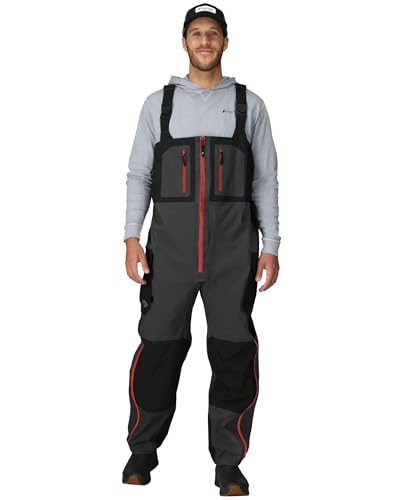
6 Best Rain Bibs for Fishing
Rain bibs worn over your boots keep rain and spray from running down your legs into the boot shaft.
Questions
Can I wear rain boots on a boat?
You can on a calm day in a small boat, but it isn’t ideal. Most rain boots have lugged soles that slip on wet fiberglass and aluminum. Deck boots with siped, non-marking soles are much safer for regular boat fishing.
Are Hunter boots waterproof enough for fishing?
Yes, Hunter boots are fully waterproof rubber, so they’ll keep you dry as long as water stays below the shaft. Their main drawbacks for fishing are weight, a loose fit around the ankle and a tread designed for mud rather than wet decks.
Can I wade in rain boots?
Only in very shallow, calm water with a firm bottom. Once water nears the top of the shaft, a small wave, current or soft mud will send it pouring in. For real wading, use hip or chest waders with proper wading boots.
Are rain boots warm enough for winter fishing?
Most standard rain boots aren’t insulated, so they get cold fast on ice or in winter water. A fleece liner and wool socks help for short trips, but insulated fishing or pac boots are a much better choice for long, cold sits.
Will salt water ruin rubber rain boots?
Salt won’t ruin rubber right away, but salt, sun and heat all speed up wear over time. Rinse boots with fresh water after every saltwater trip, dry them away from direct heat and store them in the shade to make them last.
Update log
Rewritten and expanded: clearer answers, 7 visual summaries, FAQ and related gear guides.


