
Fishing › Guides › Kayak Rod Storage
To secure fishing rods on a kayak, put each rod in a rod holder: a flush mount, a track-mounted holder or a rod crate. Then clip a leash from the rod to a padeye or tie-down point so it stays with the boat if you flip. When you launch, land or paddle through trees and surf, lay the rods flat or angle them low and to the back so nothing snags.
Key takeaways
- A rod holder keeps the rod in place, and a leash keeps it with the boat. Use both.
- Flush mounts behind the seat suit trolling and storage. Track-mounted holders you can adjust suit active fishing in front of you.
- Keep rods low and pointed to the back when you launch, land or paddle under branches.
- In fast current or near strainers, a leash can tangle you. Carry a knife you can reach easily, and think about stowing rods inside the hull.
In this guide
- Why Rods Need Securing on a Kayak
- Ways to Attach a Fishing Pole to a Kayak
- How to Install a Rod Holder or Track
- Using Rod Leashes the Right Way
- Securing Rods During Launch, Paddling and Landing
- Freshwater vs. Saltwater and Seasonal Differences
- Common Mistakes and a Pre-Launch Check
Why Rods Need Securing on a Kayak
A kayak sits low, moves around a lot and tips more easily than a boat. One wake, a wave breaking over the bow or a quick lean to net a fish can send a loose rod over the side. Rods and reels sink fast, and in deep or murky water you usually won’t get them back.
Rods get lost in a few predictable ways: a capsize, a fish pulling a rod out of an unattended holder, a tip catching a branch, and rods sliding off while you drag the kayak up a bank. Each one has a simple fix, and most anglers end up combining two or three of them.
Think of it in two layers. The first layer holds the rod where you want it: a holder, crate tube or bungee. The second layer is backup that keeps the rod attached to the boat when the first layer fails, which is usually a leash. A good setup uses both layers for every rod on board.
Tip: Before you buy anything, sit in your kayak on land and reach for every spot where you plan to put a rod. If you have to twist hard or lean far to reach it, it’s in the wrong place.
Ways to Attach a Fishing Pole to a Kayak
Most fishing kayaks come with two flush-mount rod holders behind the seat, and many also have gear tracks on the sides. Recreational kayaks often have neither, so you’ll need to add something. These are the main options and what each one does well.
Comparing common rod storage methods
| Method | Drilling needed | Best for | Watch out for |
|---|---|---|---|
| Flush mount | Yes, unless built in | Trolling, carrying spare rods | Hard to reach from the seat |
| Track-mounted holder | No, if the kayak has tracks | Active fishing, trolling in front | Rod sticks up and can catch branches |
| Rod crate in tank well | No | Carrying 3 or more rods | Rods stick up high and can tip in surf |
| Clamp-on holder | No | Recreational or rental kayaks | Can loosen or slip on thin rims |
| Deck bungees | No, if bungees are fitted | Paddling short distances | Not secure without a leash |
| Inside the hull (sit-inside) | No | Surf, current, transport | Slow to get to |
Flush-mount rod holders
A flush mount is a tube set into the deck at an angle, usually just behind the seat. It’s low, sturdy and out of the way, so it works well for carrying spare rods and for trolling. The downside is reach: you have to twist around to grab the rod, which can feel unsteady on a narrow kayak.
Track-mounted and adjustable holders
Gear tracks let you slide an adjustable rod holder forward to where you can see the rod tip and reach the reel. These holders swivel and tilt, so you can set the angle for trolling, drifting or simply holding a rod while you tie on a lure. Our guide to fishing rod holders for kayaks covers the common styles.
Rod crates, clamp-ons and bungees
A milk-crate-style rod crate sits in the rear tank well and holds several rods upright in tubes. Clamp-on holders grip a rail or the cockpit rim and don’t need drilling. On a basic sit-on-top, you can lay rods along the side and hold them down with deck bungees, which is fine for paddling to your spot but not secure enough on its own.
How to Install a Rod Holder or Track
If your kayak has no mounting points, you can add a flush mount or a section of gear track yourself. Doing it right comes down to placement, sealing the holes and hardware that holds in a thin plastic hull. If you don’t want to drill, start with clamp-on holders or a rod crate.
Pick a flat spot where you can reach inside the hull through a hatch, because most hardware has to be tightened from underneath. Use stainless steel or nylon fasteners, since ordinary steel rusts quickly, especially in salt water. Many anglers use well nuts or blind rivets made for kayaks when they can’t reach under the deck.
Before you drill, check your kayak maker’s guidance. Some brands sell holders and tracks that fit their hulls, mark recommended mounting spots or warn that drilling in certain areas can affect the warranty. Go slowly, measure twice, and remember that a hole in the wrong place is hard to undo on a plastic hull.
Installing a rod holder or gear track
- Test the placementTape the holder or track in place and sit in the kayak. Check that you can reach it, that the paddle clears it and that the rod tip won’t hang over your head.
- Check what’s underneathLook through the hatch for foam pillars, molded channels, scupper holes or hull seams. Never drill through a scupper hole or into foam you can’t see.
- Mark and drillMark the holes, then drill a small pilot hole first. For flush mounts, use a hole saw sized to the manufacturer’s template.
- Seal every holePut marine-grade sealant around each hole and under the mounting flange so water can’t get in.
- Fasten with backingUse stainless or nylon hardware with a backing plate or large washers inside, or kayak well nuts or rivets if you can’t reach underneath.
- Let it cure and testLet the sealant cure as long as the label says, then load-test the holder by hand before taking it on the water.
Using Rod Leashes the Right Way
A rod leash is a short coiled or straight lanyard. One end clips to the rod and the other clips to the kayak. It’s the backup layer: if a fish yanks the rod out of the holder or you capsize, the rod stays attached to the boat instead of sinking.
Attach the rod end above the reel, around the reel seat or the rod blank just above the reel foot, so the rod can’t slip out of the loop. Clip the other end to a padeye, a track-mounted tie-down or the rod holder’s own tether point. Coiled leashes are popular because they stretch when you cast and pull back in when you don’t, so they stay out of your way.
Size matters. A leash that’s too short will fight you on every cast. One that’s too long sags into the water and wraps around your paddle, your line or your legs. Fit each leash on land first, then make a few practice casts from the seat to see how it behaves.
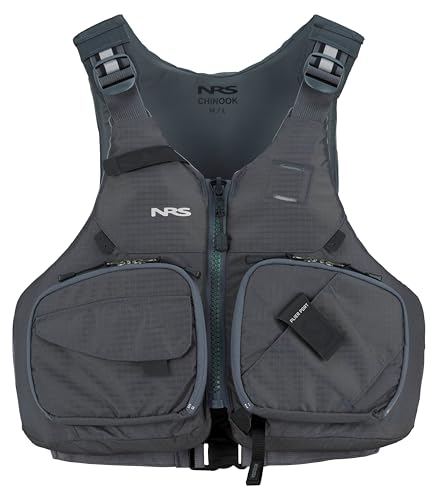
Safety note: In moving water, near fallen trees or in surf, a leash can pin you to the boat if you capsize. Keep a sharp knife clipped to your PFD where either hand can reach it, and think about stowing rods inside the hull instead.
Securing Rods During Launch, Paddling and Landing
Most rods get broken or lost close to shore, not out on the water. You’re getting in or out, the kayak is moving in ways you don’t expect and your hands are busy. Get the rods into position before you push off, not once you’re already moving.
For a calm launch from a beach or ramp, rods can stay in the holders behind the seat, leashed. For surf launches, stow rods flat and low, either inside the hull, under deck bungees with leashes on, or angled sharply back so a wave can’t snap them. Upright rods in a crate are the first thing to break when a wave turns you sideways.
On small rivers and creeks, overhanging branches are the main danger. A rod standing straight up catches limbs and can tip you or snap the rod. Set adjustable holders low and pointed back, or lay rods along the deck until you reach open water.
Longer rods are harder to manage in all of these situations. If you keep hitting things, a shorter rod might help, and our guide to what length rod is best for kayak fishing explains the trade-offs.
Where to keep rods in different conditions
| Situation | Rod position | Leash? |
|---|---|---|
| Calm lake or pond | Holders, upright or angled back | Yes |
| Ocean surf launch or landing | Flat inside hull or tight under bungees | Yes, if stowed on deck |
| Tree-lined creek | Low and angled back, or flat on deck | Use with caution |
| Fast current or near strainers | Inside the hull if possible | Avoid or keep very short |
| Trolling | Holder in front where you can see it, drag set lighter | Yes |
| Loading onto a car | Off the kayak, in a rod case or tube | Not applicable |
Freshwater vs. Saltwater and Seasonal Differences
Salt water is hard on hardware. After every saltwater trip, rinse holders, tracks, leash clips and reels with fresh water. Stainless clips last longer than plated ones, and a rusty leash clip that jams or breaks is no backup at all.
Offshore and open-bay anglers deal with bigger swells and stronger fish, so they tend to leash every rod and keep fewer rods in the holders at once. A heavy fish can pull a rod out of a flush mount while you’re dealing with another line. If you fish open water, a stable, well-equipped boat helps. Our list of kayaks for ocean fishing focuses on models built for those conditions.
Cold water changes the risk. A capsize in cold water is a serious emergency, and you don’t want to waste time untangling leashes. In colder months, many anglers carry fewer rods, keep them stowed low and focus on staying upright. Rules on PFDs and required gear vary by state and by type of water, so check local regulations before you go.
Common Mistakes and a Pre-Launch Check
The same few mistakes cause most lost or broken rods. Rods are left unleashed “just for a minute.” Drag is set so tight while trolling that a strike pulls the rod out of the holder. Rods are left standing up under trees. Leashes are so long they wrap the paddle. Holders are installed where you can only reach them by twisting hard.
Another common one is ignoring how the kayak sits when it’s loaded. Too many rods, plus a crate and a cooler, stacked high in the rear tank well raise your center of gravity and make the boat feel unstable. Keep heavy gear low and centered, and keep your rod count to what you’ll actually use.
Run through a quick check every time you launch. It takes about a minute and catches loose clips, unsealed hardware and rods in the wrong position before they turn into lost gear.
Pre-launch rod security check
- Every rod on board has a leash clipped at both ends
- Holders and tracks are tight with no wobble
- Rod tips are low or angled back for the launch
- Drag is set so a strike won’t yank a rod from its holder
- Leash length lets you cast without dragging in the water
- Knife is clipped to your PFD and easy to reach
- Rods in the crate are seated fully in their tubes
- Rod count and gear weight are low enough to keep the kayak stable
Gear that helps

Our guide
6 Best Fishing Rod Holders for Kayaks
Compares flush, track and clamp-on rod holders, which are the main way to secure rods on a kayak.
Our guide
6 Best Kayak Accessories for Fishing
Covers rod leashes, crates and other add-ons that make up the backup layer of a secure setup.

Our guide
6 Best Stable Kayaks for Fishing
A more stable hull makes reaching rods behind the seat safer and means fewer capsizes.
Questions
How do you attach a fishing pole to a kayak without drilling?
Use a clamp-on rod holder on a rail or the cockpit rim, a rod crate strapped into the tank well, or deck bungees for paddling between spots. If your kayak has gear tracks, track-mounted holders slide in without any drilling. Add a leash to each rod either way.
Should I leash my rods on a kayak?
In most conditions, yes. A leash keeps the rod with the boat if you capsize or a fish pulls it from the holder. In fast current, near fallen trees or in surf, leashes can tangle you, so keep them short, carry a knife you can reach easily, or stow the rods inside the hull.
Where is the best place to mount a rod holder on a kayak?
Put flush mounts behind the seat for storage and trolling. Put adjustable holders in front of you or beside you where you can see the tip and reach the reel without twisting. Sit in the kayak on land and test every spot before you drill.
How many rods can you carry on a kayak?
Most fishing kayaks have room for two to four rods between flush mounts, track holders and a crate. Carrying more than you need adds weight up high and gives you more lines to tangle. Bring only the setups you plan to fish that day.
How do I keep rods from breaking during a surf launch?
Lay rods flat and low, ideally inside the hull or tight under deck bungees with leashes on. Never leave rods standing upright in a crate when you go through breaking waves. Hold off reattaching them to the holders until you’re past the surf zone.
Update log
Rewritten and expanded: clearer answers, 6 visual summaries, FAQ and related gear guides.


