
Fishing › Guides › Pickerel Lures by Season
In winter, use small, slow lures for pickerel: suspending jerkbaits, small spoons, hair jigs and blade baits in open water, or jigging spoons and tip-ups through the ice. Pause the lure often, because cold pickerel will follow it but won’t chase it far. In summer, switch to faster weedless lures like spinnerbaits, frogs and soft plastic jerkbaits fished over and through weeds. At night, use dark, noisy topwaters worked slowly over shallow flats.
Key takeaways
- Pickerel feed all winter, so they’re one of the best cold-water and ice fishing targets in their range.
- In cold water, slow the lure down and pause it often. Most winter strikes come on the pause.
- In summer, fish weedless lures along weed edges and over matted vegetation, and look for shade and slightly deeper water when it’s hot.
- Pickerel teeth cut light line easily. Use a short, heavier leader and carry long-nose pliers or a jaw spreader.
In this guide
- What Lures Pickerel Bite On in Winter
- How to Fish Lures for Pickerel in Winter
- Best Lures for Pickerel in Summer
- How to Catch Pickerel at Night
- How to Catch Chain Pickerel: Where, Rigging and Hooksets
- Lure Color and Size by Season
- Handling Pickerel Safely and Common Mistakes
What Lures Pickerel Bite On in Winter
Chain pickerel stay active in cold water. Many bass and panfish slow down a lot in winter, but pickerel keep feeding, which is why anglers across the eastern US go after them from late fall through ice-out. The catch is that cold fish don’t want to chase far, so your lures need to be smaller and slower and stay in the strike zone longer.
In open water, the most reliable winter lures are suspending jerkbaits, small spoons, marabou or bucktail hair jigs, blade baits and inline spinners retrieved as slowly as they will still turn. All of them look like a small, struggling baitfish, which is what a cold pickerel is watching for.
On the ice, use small jigging spoons and vertical jigging lures over weed beds and drop-offs. Many ice anglers also set tip-ups with live shiners. Live bait rules vary by state and by water, so check your local regulations before using or moving baitfish.
Top winter pickerel lures and how to fish them
| Lure | Size | Best for | How to work it |
|---|---|---|---|
| Suspending jerkbait | 2.5 to 4 in | Open water, clear lakes | Twitch twice, pause 5 to 15 seconds |
| Small spoon | 1/8 to 1/4 oz | Open water and ice | Lift and flutter, or slow steady wind |
| Hair jig (marabou or bucktail) | 1/16 to 1/4 oz | Weed edges, cold shallows | Slow swim with small hops |
| Blade bait | 1/4 to 1/2 oz | Deeper winter holes | Short lifts, let it fall on slack line |
| Jigging spoon or ice jig | 1/8 to 1/4 oz | Through the ice | Small lifts, long holds near weeds |
| Inline spinner | Size 1 to 2 | Slow creeks, open water | Retrieve just fast enough to spin the blade |
Why small and slow works
A pickerel’s metabolism slows in cold water, so it spends less energy per meal. A 2 to 3 inch lure that hangs in place is an easy target. A fast 5 inch crankbait isn’t. If you see follows but no strikes, downsize and lengthen your pauses before you change color.
How to Fish Lures for Pickerel in Winter
Location comes first. In winter, pickerel tend to hold near whatever green weeds are left, along the first drop-off off a shallow flat, and in coves that get afternoon sun. On sunny days, shallow water with dark bottoms warms a few degrees, and that can switch fish on in the early afternoon.
Cover water in a pattern. Fan-cast an area with a jerkbait or spoon, and slide down the bank if nothing follows after 10 or 15 casts. Pickerel often group up in good winter spots, so once you catch one, slow down and work that area carefully.
Line and gear matter more in the cold. A light to medium-light spinning rod with 8 to 10 lb line lets small lures cast and work naturally. Tie on a short leader so the teeth don’t cut you off, and keep your hands dry because the guides can ice up below freezing.
Winter open-water retrieve that triggers cold pickerel
- Cast past the targetLand the lure beyond a weed edge or drop-off so it comes through the zone instead of landing on the fish.
- Get it downCount the lure down or crank it to depth, then stop.
- Twitch and pauseGive two short twitches, then pause for 5 to 15 seconds. Colder water usually calls for longer pauses.
- Watch your lineWinter strikes often feel like extra weight or a small tick. Set the hook on anything that feels different.
- Repeat and adjustIf fish follow without striking, go smaller, slow down, or switch to a more natural color.
Ice fishing basics for pickerel
Set tip-ups along weed lines in roughly 4 to 12 feet of water and jig a spoon in a hole nearby. When a tip-up flag goes up, give the fish a moment to turn the bait before you set the hook. Rules on how many lines you can fish through the ice vary by state, so check the regulations first.
Ice safety comes before everything else. A common guideline is at least 4 inches of clear, solid ice for someone on foot, but ice is rarely uniform. Check it with a spud bar as you go, avoid areas near inlets, springs and moving water, and never go out alone.
Best Lures for Pickerel in Summer
In summer, pickerel are aggressive and lures can move faster. These fish are ambush predators that sit in weeds, lily pads and around wood, then rush out at anything that looks like an easy meal. The best summer lures pass through or over that cover without picking up a salad on every cast.
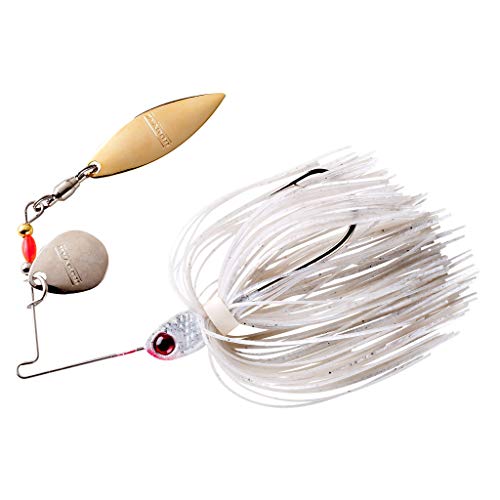
Spinnerbaits are hard to beat because the wire arm deflects weeds and the blade puts out flash and vibration. Weedless spoons skimmed over submerged grass are a classic pickerel lure. Soft plastic jerkbaits rigged weedless on a wide-gap hook can be twitched across matted vegetation and into pockets. Hollow-body frogs and buzzbaits draw explosive topwater strikes over pads and slop.
When open-water lures fit the situation, shallow crankbaits, inline spinners and paddle-tail swimbaits all catch summer pickerel along clean weed edges. If you fish ponds and small lakes, the same lures work well there too. See our picks of lures for pond fishing.
Tip: Pickerel often miss topwater lures on the first strike. If a fish blows up on your frog or soft jerkbait and misses, stop the lure for a second, then twitch it again. The fish often comes back for a second try.
Beating the summer heat
During midday heat, pickerel often move into shade or slightly deeper water along the outside weed line. Mornings and evenings are usually best for topwater. If the surface bite dies at noon, switch to a spinnerbait or swimbait run along the deeper edge of the weeds.
How to Catch Pickerel at Night
Pickerel hunt mostly by sight and feed mainly in daylight, so night isn’t their main feeding time. You can still catch them after dark, especially on warm summer nights in shallow, weedy water near lights or along the edges of flats where baitfish gather.
Noise and silhouette are what count after dark. A black buzzbait, a dark hollow frog, a jitterbug-style wobbling topwater or a black spinnerbait with a large Colorado blade gives the fish a strong outline against the night sky plus vibration it can track. Retrieve slowly and steadily so a fish has time to find the lure.
Many of the same tactics used for night bass also work on pickerel, and you’ll likely catch both. Our guide to night bass lures and colors covers the color logic in more detail. In murky water, some anglers also try lures with built-in lights.
Night pickerel checklist
- Headlamp with a red-light mode to save your night vision
- Backup light and spare batteries
- Long-nose pliers or jaw spreader for unhooking
- Pre-tied leaders so you aren’t tying knots in the dark
- Dark, noisy lures: buzzbait, frog, wobbling topwater, black spinnerbait
- Life jacket and required navigation lights if you’re in a boat
- Someone on shore who knows where you are and when you’ll be back
Night fishing tips that matter
Scout the spot in daylight so you know where the weeds, stumps and snags are. Wait a beat to set the hook on topwater strikes, because a pickerel that misses in the dark is easy to pull the lure away from. Some states have special rules for night fishing or boating lights, so check before you go.
How to Catch Chain Pickerel: Where, Rigging and Hooksets
Chain pickerel live in lakes, ponds, slow rivers, creeks and swamps along much of the eastern US and into southeastern Canada. They are named for the dark, chain-like pattern on their sides. Most fish caught run about 15 to 24 inches. They are closely related to northern pike and muskie, and they have the same long jaw lined with sharp teeth.
Look for vegetation first. Lily pads, coontail, milfoil, eelgrass, reed edges and fallen trees in clear to slightly stained water are prime spots. Pickerel usually hold right at the edge of cover, facing open water, waiting for prey to come by.
Pickerel often grab a lure sideways, then turn. With single-hook soft plastics, give a short count before setting the hook. With treble-hook lures and spinnerbaits, a firm sweep set as soon as you feel weight is usually right. Keep steady pressure. Pickerel jump and head-shake, and slack line lets the hook fall free.
Basic pickerel rigging setup
| Component | Recommendation | Why |
|---|---|---|
| Rod | 6 to 7 ft, medium-light to medium spinning | Casts small lures and handles weedless hooks |
| Main line | 8 to 15 lb mono or 10 to 20 lb braid | Braid cuts through weeds; mono is more forgiving in cold weather |
| Leader | 12 to 18 in of 20 to 30 lb fluorocarbon, or light wire | Protects against bite-offs from sharp teeth |
| Hooks | Wide-gap worm hooks for soft plastics | Weedless rigging with good hookups |
| Tools | Long-nose pliers, jaw spreader, rubber net | Keeps your fingers away from the teeth and protects the fish |
Creeks and small water
In small streams, pickerel hold in slow pools, undercut banks and backwaters out of the current. Short, accurate casts with small inline spinners and weedless soft jerkbaits work well there, and a shorter rod makes casting under overhanging branches easier.
Lure Color and Size by Season
Water clarity matters more for color choice than the season does. In clear water, natural colors like silver, gold, white, perch and shiner patterns look like real baitfish. In stained or tannin-dark swamp water, which is common pickerel habitat, chartreuse, firetiger, orange and gold blades are easier to see.
Size tracks the season more closely. Small lures win in winter because the fish are sluggish and the baitfish are small. As water warms through spring and into summer, pickerel take larger, faster lures, and bigger fish will hit 4 to 5 inch baits. In fall, pickerel feed hard before winter, which makes it a great time for spinnerbaits and jerkbaits.
Bright sun and calm water often call for subtle colors and finesse. Cloudy, windy days are good for flash and vibration. If one color isn’t working after a fair try in a good spot, change size or speed before you go through your whole color box.
Pickerel lure size, speed and color by season
| Season | Lure size | Retrieve speed | Colors that usually work |
|---|---|---|---|
| Winter (open water) | 2 to 3 in | Very slow, long pauses | Silver, white, natural shiner |
| Winter (ice) | 1/8 to 1/4 oz jigs and spoons | Small lifts, long holds | Silver, gold, glow in deep or dark water |
| Spring | 2.5 to 4 in | Slow to moderate | Gold, chartreuse, perch |
| Summer | 3 to 5 in | Moderate to fast | White, chartreuse, frog patterns |
| Fall | 3 to 5 in | Moderate, erratic | Firetiger, silver, white |
| Night | 3 to 5 in, noisy | Slow and steady | Black, dark purple |
Handling Pickerel Safely and Common Mistakes
Pickerel are slimy and full of teeth, so plan your unhooking before you land one. Use a rubber-mesh net so treble hooks don’t tangle, and hold the fish gently behind the head or across the back. Never stick your fingers near the gills or inside the jaw. Long-nose pliers or forceps let you back hooks out from a safe distance.
If you plan to release the fish, keep it in the water as much as you can and support its belly when you lift it. In winter, keep handling short, because freezing air can damage the gills and eyes. Pickerel are good to eat but have many Y-bones. Check your state’s size and bag limits, which vary widely.
The most common mistakes are fishing too fast in cold water, skipping a leader, ignoring weed edges for open water, and setting the hook too early on soft plastics. Fix those four and you’ll land more fish in any season. For more lure ideas, see our list of the best fishing lures for pickerel.
Safety note: Pickerel teeth and thrashing treble hooks cause a lot of hand injuries. Always unhook with pliers, control the fish against a wet net or mat, and never grab a pickerel by the gill plate.
Gear that helps

Our guide
6 Best Fishing Lures for Pickerel
A focused roundup of the spinners, spoons and soft plastics that work best for chain pickerel.
Our guide
Best Lures and Colors for Night Bass Fishing
Dark, noisy night lures for bass work for pickerel in the same shallow, weedy water.
Our guide
6 Best Lures for Pond Fishing
Pickerel are common in weedy ponds, and these lures cover that habitat well.
Questions
What lures do pickerel bite on in winter?
Small, slow lures work best: suspending jerkbaits, 1/8 to 1/4 oz spoons, hair jigs, blade baits and slow inline spinners. Through the ice, small jigging spoons and tip-ups with live shiners are the standard approach. Long pauses usually trigger the most strikes.
Do pickerel bite at night?
Yes, but they feed mostly by sight in daylight, so night fishing is slower than dawn or dusk. Warm summer nights in shallow weedy water are your best chance. Use dark, noisy topwaters or black spinnerbaits retrieved slowly.
Do I need a wire leader for pickerel?
A leader is strongly recommended because pickerel teeth can cut light line. A 12 to 18 inch leader of 20 to 30 lb fluorocarbon works in most situations and is less visible than wire. Light wire is the safer choice in waters that also hold pike.
What is the best all-around pickerel lure?
A spinnerbait or a weedless spoon is hard to beat because both run through weeds and put out flash. Soft plastic jerkbaits rigged weedless are a close second. Carry all three and you can fish most pickerel water in spring, summer and fall.
Where do chain pickerel hide?
They hold along the edges of weeds, lily pads, reeds and fallen timber, usually facing open water. In winter, look for remaining green weeds and the first drop-off near shallow flats. In summer heat, try shaded cover and the deeper outside weed line.
Update log
Rewritten and expanded: clearer answers, 7 visual summaries, FAQ and related gear guides.


