
Fishing › Guides › Bait for Creek and River Fishing
You don’t need bait to catch fish in creeks and rivers. Lures and flies work well. Still, live bait is the easiest way to start, and nightcrawlers are the best all-around choice, followed by crickets, minnows, crayfish and hellgrammites. Before you fish, check whether your stretch of water allows live bait, because many trout streams are artificial-only.
Key takeaways
- Worms catch almost every creek and river species, from sunfish and trout to catfish and smallmouth bass.
- Use baits that fish already eat in that water, like crayfish, hellgrammites, minnows and insects that fall in.
- Let the bait drift naturally with the current, using just enough weight to keep it near the bottom.
- Many streams have bait restrictions and baitfish transport rules, so read local regulations before every trip.
In this guide
- Do You Need Bait for Creek and River Fishing?
- The Best Baits for Creeks and Rivers
- Matching Bait to the Fish You’re After
- How to Rig and Fish Bait in Moving Water
- Where to Find Fish in Creeks and Rivers
- Seasonal and Regional Bait Tips
- Common Mistakes and Safety on the Water
Do You Need Bait for Creek and River Fishing?
No. Plenty of anglers catch fish in moving water using only lures or flies. Small spinners, soft plastics, crankbaits and nymphs all imitate the minnows, crayfish and insects that stream fish eat every day.
Bait does have real advantages, though. It smells and moves like food, so fish hold onto it longer. That makes it forgiving for beginners and kids, and it works well on slow days when fish won’t chase anything.
Lures have their own strengths. You can cover water faster, you don’t need a bait bucket, and fish hooked on lures are usually hooked in the lip, which makes catch and release easier. If you’d like to go lure-only, our guide to the best lures for creek fishing covers good options.
The practical answer for most people: bring bait if you’re new, fishing with kids, or after catfish and panfish. Use lures if you want to cover lots of water or if the stretch you’re fishing is restricted to artificial lures.
Safety note: Never dump leftover bait, worms or bait water into a creek or river. Releasing bait can spread invasive species and disease. Throw unused bait in the trash or take it home.
When bait is not allowed
Many trout streams are marked artificial-only, fly-only or catch-and-release. Some states also limit which live baitfish you can use or ban moving them between waters. These rules change from state to state and sometimes from one section of a river to the next, so check your state fish and wildlife regulations before you go.
The Best Baits for Creeks and Rivers
The best stream baits are things fish already see in the water. Rivers and creeks carry a constant flow of insects, worms washed in by rain, small fish and crayfish, so these all look natural to resident fish.
Best creek and river baits by target fish
| Bait | Best for | Hook size | Season |
|---|---|---|---|
| Nightcrawlers / red worms | Trout, panfish, bass, catfish | #6 to #10 | All year, best after rain |
| Crickets / grasshoppers | Trout, sunfish, bass | #8 to #12 | Summer to early fall |
| Live minnows | Smallmouth, walleye, crappie, big trout | #4 to #8 | Spring and fall |
| Crayfish | Smallmouth bass, catfish | #2 to #6 | Late spring to fall |
| Hellgrammites | Smallmouth bass, trout | #4 to #8 | Spring to fall |
| Waxworms / mealworms | Panfish, trout | #10 to #14 | All year, good in cold water |
| Cut bait / chicken liver | Catfish | #1 to 2/0 or circle hooks | Warm months |
Nightcrawlers and red worms
Worms are the most reliable creek bait there is. Trout, sunfish, rock bass, smallmouth, suckers and catfish all eat them. Use a whole nightcrawler for bigger fish, or a piece of one (or a small red worm) for panfish and small trout.
Crickets and grasshoppers
In summer and early fall, land insects blow or fall into the water constantly. A live cricket or grasshopper drifted near overhanging grass or trees is hard for trout, sunfish and bass to pass up.
Minnows
Small live minnows catch bigger predators like smallmouth bass, walleye, crappie and larger trout. Buy them from a bait shop, or catch your own where that’s legal, and keep them in cool, aerated water.
Crayfish and hellgrammites
Crayfish are a favorite food of smallmouth bass and catfish in rocky rivers. Hellgrammites, the larvae of the dobsonfly, live under stream rocks and are a classic smallmouth and trout bait. Check your local rules, because some states restrict collecting or moving crayfish.
Other options
Waxworms and mealworms are good small baits for panfish and trout. Salmon eggs and dough baits are popular for stocked trout. Cut bait, chicken liver and stink baits work for catfish in bigger, slower rivers.
Matching Bait to the Fish You’re After
Creeks and rivers hold different fish depending on water temperature, size and speed. Knowing your likely catch helps you pick the right bait and hook size.
Trout
Trout live in cold, clean water, often in smaller, faster creeks. Small worms, crickets, waxworms and salmon eggs are dependable. Use light line and small hooks, because trout in clear water can be wary of thick line and big hooks.
Smallmouth bass and rock bass
These fish love rocky rivers with current. Crayfish, hellgrammites, minnows and nightcrawlers are top choices. Fish near boulders, ledges and the seams where fast water meets slow water.
Sunfish and panfish
Bluegill and other sunfish hang out in slower pools, backwaters and near cover like downed trees. A piece of worm or a cricket on a small hook under a bobber works very well.
Catfish
Channel catfish are common in larger creeks and rivers. They find food by smell, so nightcrawlers, cut bait, chicken liver and prepared stink baits all work. Fish deep holes and outside bends, especially in the evening and at night.
How to Rig and Fish Bait in Moving Water
Current is the biggest difference between stream fishing and pond fishing. Fish in rivers face upstream and wait for food to drift to them. Your goal is to make your bait drift like real food, low in the water and at the same speed as the current.
For most creek fishing, a simple rig is best: a hook tied directly to the line with one or two small split shot pinched on about 12 to 18 inches above it. Add or remove split shot until the bait just ticks the bottom now and then without snagging constantly.
In slower pools, a small bobber works well, especially for panfish. In bigger, deeper rivers, a sliding sinker rig (an egg or no-roll sinker above a swivel, with a short leader to the hook) holds bait on the bottom for catfish and smallmouth.
Line matters more in current than many people think. Light, low-visibility line drifts more naturally and gets fewer bites refused. Our list of the best fishing lines for river fishing covers good choices for different fish and water.
How to drift a worm through a creek pool
- Rig lightTie on a #8 hook and pinch one or two small split shot 12 to 18 inches above it.
- Hook the wormThread a piece of nightcrawler on so the point is covered but the ends can move freely.
- Cast upstreamCast slightly up and across the current at the head of a pool or riffle.
- Let it driftReel in slack as the bait tumbles downstream, keeping the line just tight enough to feel it.
- Watch for strikesSet the hook on any sudden stop, tap or sideways line movement.
- Adjust and repeatIf you snag often, remove weight. If you never feel bottom, add a split shot.
Where to Find Fish in Creeks and Rivers
Good bait won’t help much if you’re fishing empty water. Stream fish hold where they can rest out of strong current and still grab food that drifts by. Learning to spot these places is half the game.
Pools are the deeper, slower sections, often below a riffle or waterfall. They hold the most fish and the biggest ones, especially in summer heat and cold winter water.
Riffles are shallow, fast, broken water over rocks. They’re full of insects and oxygen, so active fish feed at the head and tail of riffles, especially in early morning and evening.
Current seams are lines where fast water meets slow water. You can often see them as a line of foam or a change in the surface. Fish sit in the slow side and dart into the fast side to feed, so drift your bait right along the seam.
Cover means undercut banks, fallen trees, big rocks and overhanging branches. These spots give fish shade and safety. Cast just upstream of the cover and let the current carry your bait into it, rather than casting directly into snags.
Reading creek and river water
| Spot | What it looks like | Best bait approach |
|---|---|---|
| Pool | Deep, slow, darker water | Bottom drift or bobber with worms or minnows |
| Riffle | Shallow, fast, choppy water over rocks | Drift small worms or nymph-sized baits at the head and tail |
| Current seam | Line of foam or ripples between fast and slow | Drift bait right along the seam |
| Undercut bank | Overhanging bank with deep water beneath | Let bait drift under the edge from upstream |
| Outside bend | Deep water on the outer curve of a river | Bottom rig for catfish and smallmouth |
Seasonal and Regional Bait Tips
What works best changes through the year as water temperature and food supply change. Matching bait to the season gives you a real edge.
Tip: Flip a few rocks in a riffle before you start fishing. Whatever insects, larvae or crayfish you find are what local fish are eating right now.
Spring
Rain washes worms into creeks, so nightcrawlers are excellent after a rain when the water is slightly stained. Many states also stock trout in spring. High, fast water is common, so you may need extra weight and should fish the calmer edges. Never wade in high, muddy water.
Summer
Grasshoppers, crickets and other land insects are everywhere. Fish early and late in the day when water is cooler. Crayfish and hellgrammites are very active, which makes summer prime time for river smallmouth. Trout may stress in warm water, so many anglers avoid catching them on hot afternoons.
Fall
Fish feed heavily before winter. Minnows and crayfish are strong choices for bass and walleye, and worms still work well everywhere. Falling leaves can foul your line, so check your bait often.
Winter
Fish slow down in cold water and gather in deep, slow pools. Use small baits like waxworms, small pieces of worm or salmon eggs where legal, and drift them slowly near the bottom. Be careful around ice along banks.
Regional differences
Cold mountain and northern streams lean toward trout, so small baits and light gear rule. Warmer southern and midwestern rivers hold more catfish, sunfish and bass, where bigger baits make sense. Bait and baitfish rules also vary widely by state, so always check local regulations.
Common Mistakes and Safety on the Water
Most bait fishing problems in moving water come from a few easy fixes. Avoiding them will put more fish on your line.
Creek and river bait fishing checklist
- Valid fishing license and a copy of local rules
- Worms in a cool, shaded bait container
- Hooks in sizes #6 to #12
- Assorted small split shot
- A few small bobbers
- Needle-nose pliers or a hook remover
- Small tackle box or vest
- Shoes or waders with good grip
- Trash bag for leftover bait and line
Mistakes to avoid
Using too much weight is the most common one. Heavy sinkers drag your bait unnaturally and snag constantly. Use the lightest weight that still reaches the bottom.
Using hooks that are too big is another. A huge hook with a tiny piece of worm scares off trout and panfish. Match the hook to the bait and the fish’s mouth.
Standing in plain sight is the third. Stream fish spook easily from shadows and footsteps. Approach from downstream, stay low and keep back from the bank.
Finally, don’t leave bait in the sun. Worms and minnows die fast in heat. Keep worms in a cool, shaded container and minnows in fresh, aerated water.
Stay safe
Moving water is stronger than it looks. Wear shoes with good grip, use a wading staff in rocky streams, and avoid wading above your knees in fast current. Check the weather, because rain upstream can raise water levels quickly. If you’ll be wading or fishing bigger water, our guide to river fishing gear covers useful safety and comfort items.
Gear that helps

Our guide
6 Best Lures for Creek Fishing
Lures are the best option for artificial-only streams and for days when you’d rather not carry live bait.
Our guide
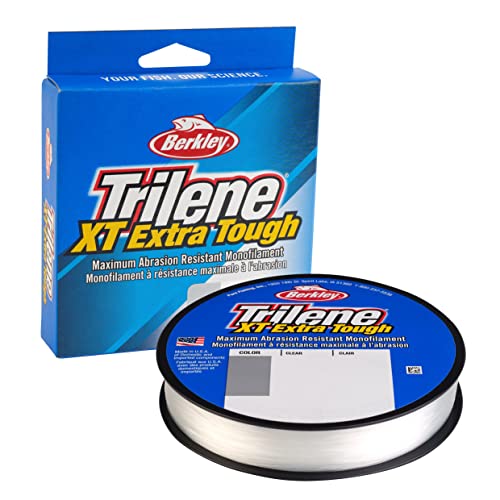
6 Best Fishing Lines for River Fishing
The right line helps your bait drift naturally in current and holds up against rocks.

Our guide
10 Best River Fishing Gear
Covers the wading, storage and safety gear that makes stream fishing easier and safer.
Questions
What is the best bait for creek fishing?
Nightcrawlers or red worms are the best all-around creek bait. Nearly every stream fish eats them, including trout, sunfish, bass and catfish. In summer, crickets and grasshoppers are also excellent.
Do you need bait for river fishing?
No. Lures and flies catch plenty of river fish. Bait is easier for beginners and works well for catfish and panfish, but some river sections are restricted to artificial lures only, so check local rules.
What should I use for creek fishing as a beginner?
Start with a light spinning rod, 4 to 6 pound line, a #8 hook, a couple of small split shot and a container of worms. Drift the worm through pools and along current seams. This simple setup catches a wide range of fish.
Can I use corn or bread as bait in a creek?
Corn and bread do catch fish like trout, carp and panfish. However, some states restrict corn as bait in certain waters, especially trout streams. Check your state regulations before using it.
Can I catch my own bait from the creek?
Often yes, but it depends on where you are. Many states allow collecting insects, hellgrammites or crayfish for personal use, while others restrict taking or moving crayfish and baitfish. Check local rules, and never move live bait from one body of water to another.
Update log
Rewritten and expanded: clearer answers, 7 visual summaries, FAQ and related gear guides.


