
Fishing › Guides › Bait for Pond Fishing
The best all-around bait for pond fishing is a live nightcrawler or red worm under a small bobber. Nearly every fish in a pond eats it, including bluegill, bass, catfish and crappie. For bigger bass, switch to live minnows, small bluegill (where legal), crawfish or frogs, because those are what pond bass eat most.
Key takeaways
- Worms catch more kinds of pond fish than any other single bait, so start with them if you’re unsure.
- Pond bass mostly eat small sunfish, minnows, crawfish, frogs and insects. Baits that look like those catch the bigger fish.
- Match your hook size to the fish’s mouth: small hooks (size 6 to 10) for panfish, bigger hooks (size 1 to 2/0) for bass and catfish.
- Check local rules before using or moving live bait. Many states limit live fish as bait to stop invasive species and disease from spreading.
In this guide
- The Best All-Around Baits for Pond Fishing
- What Do Pond Bass Like to Eat?
- Matching Bait to the Fish You Want
- How to Rig Bait for Pond Fishing
- Seasonal and Time-of-Day Changes
- Where to Put Your Bait in a Pond
- Common Mistakes and Bait Rules to Know
The Best All-Around Baits for Pond Fishing
If you only bring one bait to a pond, bring worms. Nightcrawlers and red worms smell right, wiggle on the hook and show up in the diet of almost every freshwater fish. A short piece of worm catches bluegill, while a whole nightcrawler can catch a big bass or catfish.
Crickets and wax worms come next, especially for panfish. Crickets work well in summer, when insects fall into the water from grass and trees along the bank. Wax worms are small, tough and great in cold water, when fish bite lightly.
Live minnows are the go-to for crappie and bass. Hook them lightly so they keep swimming, and they draw strikes from fish that ignore everything else.
Kitchen baits work too. Bread balls, canned sweet corn and hot dog pieces catch bluegill, carp and catfish in many ponds. Corn is restricted in some places, especially trout waters, so check your state’s regulations before using it.
Common pond baits and what they catch
| Bait | Best for | Suggested hook size |
|---|---|---|
| Nightcrawlers / red worms | Almost everything | 6 to 10 (panfish), 1 to 1/0 (bass, catfish) |
| Crickets | Bluegill, sunfish | 8 to 10 |
| Wax worms / mealworms | Bluegill, crappie, trout | 10 to 12 |
| Live minnows | Crappie, bass | 4 to 6 (crappie), 1 to 2 (bass) |
| Chicken liver / cut bait | Catfish | 1/0 to 3/0 circle |
| Bread / corn | Bluegill, carp, catfish | 8 to 10 |
What Do Pond Bass Like to Eat?
Largemouth bass are the top predator in most ponds, and they eat whatever they can fit in their mouths. Adult bass mostly eat other fish, but their menu changes with their size, the season and what lives in the pond.
Knowing what’s in your pond is the key to choosing bait. Walk the bank and look. Small sunfish around the docks, crawfish in the rocks or frogs along the grassy edges all tell you what the bass are eating.
Small sunfish and minnows
Bluegill and other sunfish are the main food for bass in many stocked ponds. Golden shiners, fathead minnows and gizzard or threadfin shad fill the same role in other waters. A live minnow, or a lure shaped like a bluegill or shad, matches this forage.
Crawfish
Crawfish live in rocks, wood and weed edges, and bass eat a lot of them, especially in spring and fall. A live crawfish hooked through the tail, or a soft plastic craw on a jig, is a proven big-bass bait.
Frogs, insects and the occasional surprise
In summer, bass ambush frogs along lily pads and grass. They also take worms, large insects, salamanders and leeches. Big bass sometimes eat small snakes, mice or ducklings, which is why topwater lures that look like these can draw dramatic strikes.
Matching Bait to the Fish You Want
Most ponds hold several species, and each one bites a little differently. Choosing bait for the fish you want saves a lot of time and stops small fish from stealing bait meant for big ones.
Bluegill and sunfish
Use small bait on small hooks. A one-inch piece of worm, a cricket or a wax worm on a size 8 to 10 hook under a small bobber is the classic setup. If you keep losing bait without hooking fish, use a smaller hook and less bait.
Largemouth bass
Go bigger. A whole nightcrawler, a 2 to 4 inch live minnow or a crawfish on a size 1 to 2/0 hook draws bigger fish and is too large for most bluegill to steal. If you prefer artificials, our guide to the best lures for pond fishing covers proven choices.
Catfish
Catfish hunt by smell, so strong baits work best. Chicken liver, cut bluegill (where legal), shrimp, hot dogs and commercial stink baits all work, fished on the bottom with a sliding sinker. Evenings and nights are usually the best times.
Crappie and stocked trout
Crappie love small live minnows hung near brush or docks. Many states stock trout in ponds during cool months. Trout bite on worms, wax worms, salmon eggs and dough baits, but some trout waters have bait limits, so read the rules.
How to Rig Bait for Pond Fishing
A simple bobber rig catches most pond fish. The bobber holds the bait at a set depth and shows you when a fish bites. On the bottom, a sliding sinker rig is better for catfish and for bass in deeper water.
Use 4 to 6 pound test line for panfish, 8 to 12 pound for bass and 10 to 14 pound for catfish. Lighter line gets more bites in clear water. Heavier line helps pull fish out of weeds and wood.
Hook live bait so it stays lively. Thread a worm piece onto the hook for panfish, but hook a whole nightcrawler once or twice through the middle so it wiggles for bass. Hook minnows lightly through both lips or just under the back fin.
For catfish, build a sliding sinker rig. Thread an egg sinker onto the main line, tie on a barrel swivel to stop it, then add an 18 inch leader and a circle hook. When a fish takes the bait, just reel steadily, because circle hooks set themselves in the corner of the mouth.
Setting up a basic bobber rig
- Tie on the hookUse an improved clinch or Palomar knot to attach a hook sized for your target fish.
- Add a split shotPinch a small split shot about 6 to 12 inches above the hook so the bait sinks.
- Clip on the bobberStart 2 to 4 feet above the hook, then adjust until you find where the fish are.
- Bait the hookCover the point on panfish baits; hook minnows and nightcrawlers lightly so they move.
- Cast and watchCast near cover. When the bobber dips or moves away, reel up the slack and set the hook.
Seasonal and Time-of-Day Changes
Fish are cold-blooded, so water temperature controls how much they eat. When the water is cold, they bite slowly and want small, easy meals. When it warms, they get active and chase bigger bait.
Early morning and evening are the best times in summer, when midday sun pushes fish deeper or into shade. In spring and fall, the warmest part of the afternoon is often better because the water has had time to heat up.
In the South, ponds stay warm longer, and fish can bite all winter. In northern states, ponds freeze, and ice fishing with wax worms or small minnows takes over. Only go on the ice if it’s clearly safe, and follow local ice guidance.
Weather matters too. A few warm, stable days in a row usually get fish feeding, while a sudden cold front can slow the bite for a day or two. On those tough days, use smaller bait and fish it slower and a little deeper.
Pond bait by season
| Season | What fish are doing | Best baits |
|---|---|---|
| Spring | Moving shallow to feed and spawn | Nightcrawlers, minnows, crawfish |
| Summer | Shallow early and late, deeper at midday | Crickets, worms, frogs, minnows |
| Fall | Feeding heavily before winter | Minnows, crawfish, cut bait for catfish |
| Winter | Slow, deeper, light bites | Wax worms, small minnows, small worm pieces |
Where to Put Your Bait in a Pond
The best bait won’t catch much if nothing is near it. Pond fish group up around cover, food and changes in depth, so fish those spots first instead of casting into open water.
Look for docks, fallen trees, weed edges, lily pads and inflow pipes or creeks. The deeper water near a dam is a good spot in summer heat and in winter. Points where the bank sticks out into the pond often hold bass moving between shallow and deep water.
Bluegill often hang around docks and weed edges in shallow water. Bass sit at the edges of that cover, waiting for a sunfish or frog to stray too far. Catfish cruise the bottom, often in the deeper middle or near the dam after dark.
If you get no bites after 15 or 20 minutes, move. Try a new depth by sliding your bobber up or down, or walk to a different stretch of bank. Moving usually works better than switching bait.
Tip: When you catch a fish, cast back to the same spot. Pond fish often school by size, so one bluegill or crappie usually means more are nearby.
Common Mistakes and Bait Rules to Know
The most common mistake is using hooks and bait that are too big for panfish, or too small for bass. If fish keep stealing bait, downsize. If you’re only catching tiny fish, upsize so the little ones can’t take it.
Another mistake is letting slack line pile up. Keep your line fairly tight so you can see and feel bites. Fish small baits with a light bobber that dips easily, because a big bobber makes fish feel resistance and let go.
Stale bait is another easy fix. Keep worms in a cool, shaded spot, keep minnows in cool, aerated water, and replace bait that looks pale, washed out or dead. Lively bait draws more bites.
Bait laws vary a lot between states and even between waters in the same state. Some ban live fish as bait, limit where you can get minnows, or forbid releasing leftover bait. These rules help stop invasive species and fish diseases from spreading. Even on private ponds, you need the owner’s permission, and many states still require a license.
Before you fish a pond
- Get permission if the pond is on private land
- Check whether you need a fishing license
- Read local rules on live bait, corn and size or creel limits
- Bring small and large hooks so you can adjust
- Pack a cooler to keep worms and minnows alive
- Throw unused bait in the trash; never dump it in the water
- Carry pliers to remove hooks safely and release fish quickly
Gear that helps
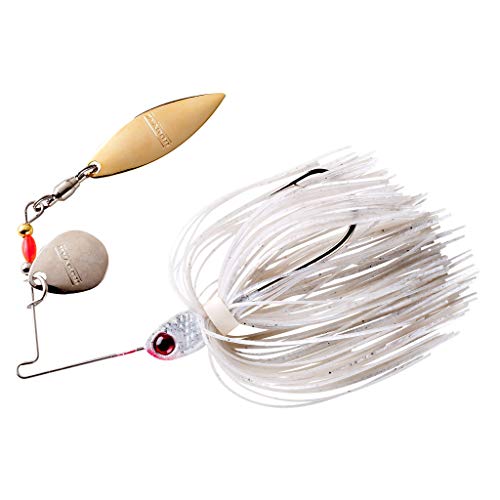
Our guide
6 Best Lures for Pond Fishing
These artificial lures copy the minnows, sunfish and frogs pond bass eat, so you can keep fishing when live bait runs out.

Our guide
9 Best Big Swimbaits for Bass Fishing
Big swimbaits look like bluegill and shad, the main food of the largest bass in many ponds.
Questions
What is the best bait for pond fishing?
Live nightcrawlers or red worms are the best all-around choice because nearly every pond species eats them. Fish a piece on a small hook for bluegill or a whole one on a bigger hook for bass and catfish. Under a bobber near cover, worms catch fish in almost any season.
What do pond bass like to eat?
Pond bass mainly eat small sunfish, minnows, shad and crawfish. They also eat frogs, worms, insects and leeches, and big bass sometimes take snakes, mice or baby ducks. Live minnows, crawfish, or lures that look like them work best for bigger bass.
Can you use bread or hot dogs for pond fishing?
Yes. Bread balls catch bluegill and carp, and hot dog pieces catch catfish and sometimes bluegill. They’re not as effective as live bait for bass, but they’re cheap, easy to find and fine for a casual trip with kids.
What bait is best for catfish in a pond?
Catfish find food by smell, so strong-smelling baits work best. Chicken liver, shrimp, cut bait and commercial stink or dip baits are all popular. Fish them on the bottom with a sliding sinker, ideally in the evening or at night.
Is it legal to use live minnows or bluegill as bait?
It depends on where you fish. Many states regulate live fish as bait, limit using game fish like bluegill as bait, or ban moving bait between waters. Always check your state’s fishing regulations before using live fish.
Update log
Rewritten and expanded: clearer answers, 6 visual summaries, FAQ and related gear guides.


