
Fishing › Guides › Essential Bass Lures
To fish for bass you need about eight lure types: a soft plastic worm, a jig, a spinnerbait, a crankbait, a topwater bait, a jerkbait, a swimbait or bladed jig, and a finesse rig such as a Ned rig or drop shot. Between them they cover the surface, the middle of the water and the bottom in clear or muddy water through all four seasons. Start with a few of each in natural colors and one bright or dark option, and you’ll have a lure for nearly any day on the water.
Key takeaways
- A Texas-rigged soft plastic worm is the most versatile bass lure and the best one to learn first.
- Cover each depth: topwater for the surface, crankbaits and spinnerbaits for the middle, jigs and plastics for the bottom.
- Match color to water clarity: natural shades in clear water, darker or brighter ones in stained or muddy water.
- Water temperature decides your lure more than anything else. Fish slow baits in cold water and fast moving baits in warm water.
In this guide
- The Core Bass Lure Kit at a Glance
- Soft Plastics: The Lure You Should Learn First
- Moving Baits: Spinnerbaits, Crankbaits, Jerkbaits and Bladed Jigs
- Topwater Lures and Frogs: The Surface Bite
- Jigs and Swimbaits: Lures for Bigger Bass
- How to Pick Lure Colors and Sizes
- Which Lures to Use in Each Season
- Building Your Box and Avoiding Common Mistakes
The Core Bass Lure Kit at a Glance
Bass feed at every depth, and their mood changes with water temperature, light and cover. A good lure kit gives you an option for each depth and each speed. You don’t need hundreds of baits. You need the right handful, and you need to know when to tie each one on.
The eight lure types below are the ones most bass anglers lean on, whether they fish farm ponds, rivers or big reservoirs. Each one does a different job. Some cover water fast so you can find active fish. Others are slow and subtle and catch fish that won’t chase.
If you’re just starting out, buy the first three or four on the list and learn them well before you add more. A beginner who knows how to fish a worm and a spinnerbait will usually outfish one with a tackle box full of baits they’ve never thrown.
Each type gets its own section below, with sizes, colors and the mistakes that cost people fish.
Essential bass lures and when to use them
| Lure | Depth zone | Best conditions | Basic retrieve |
|---|---|---|---|
| Soft plastic worm (Texas rig) | Bottom, cover | Any season, any water | Lift, drop, pause |
| Jig | Bottom, heavy cover | Cool water, rocks, wood | Hop or drag slowly |
| Spinnerbait | Shallow to mid | Wind, stained water, overcast | Steady reel |
| Crankbait | Shallow to mid | Warm water, rocks, flats | Reel to dive, bump cover |
| Topwater (walker, popper, frog) | Surface | Water above about 60°F, low light | Walk, pop, pause |
| Jerkbait | Upper water column | Cold, clear water | Jerk, jerk, long pause |
| Swimbait or bladed jig | Shallow to mid | Baitfish around, grass | Steady swim |
| Finesse rig (Ned or drop shot) | Bottom | Tough bites, clear water, pressure | Very slow drag or shake |
Soft Plastics: The Lure You Should Learn First
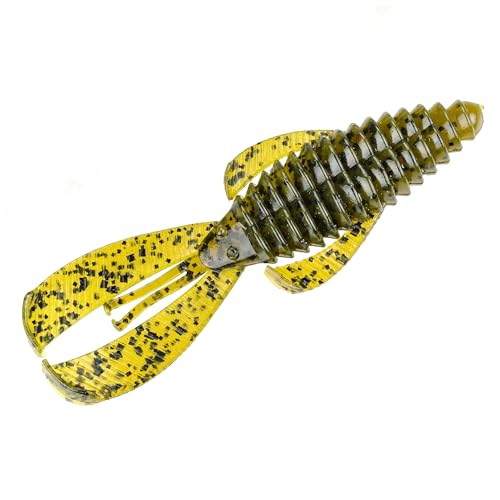
If you could own only one kind of bass lure, it should be a soft plastic. Worms, stick baits, creature baits and craws catch bass in every state, every season and every kind of water. They’re cheap, they come in every color, and you can rig them a dozen ways.
A 7 to 10 inch plastic worm on a Texas rig is the classic. The hook point sits buried in the plastic, so you can drag it through brush, weeds and timber without snagging. A 5 inch stick bait like a Senko-style worm is close behind it, because it catches fish just falling slowly through the water.
How to rig a Texas-rigged worm
- Slide on the weightThread a bullet weight onto your line with the pointed end facing up the line toward the rod.
- Tie on the hookTie an offset worm hook with a Palomar or improved clinch knot and wet the knot before you cinch it tight.
- Start the wormPush the hook point about a quarter inch into the head of the worm, then bring it out the side.
- Pull it up to the eyeSlide the worm up the shank until the head covers the hook eye and the offset bend.
- Bury the pointLay the worm straight, then push the hook point back into the body so it sits just under the surface of the plastic.
Three Rigs Worth Knowing
Texas rig: a bullet weight, an offset worm hook and the plastic, pegged or free-sliding. Use 1/8 to 1/4 ounce in shallow water and 3/8 to 1/2 ounce in deeper water or thick cover. A 3/0 to 5/0 extra-wide-gap hook suits most worms and creature baits.
Wacky rig: hook a stick bait straight through the middle with no weight. It falls level and shimmies, which works around docks and shallow cover, especially before and after the spawn.
Ned rig and drop shot: these finesse setups use small plastics, about 2.5 to 4 inches, on light jig heads or a drop shot hook with the weight below. They shine in clear water, cold fronts and on heavily fished lakes where bass have seen everything.
Moving Baits: Spinnerbaits, Crankbaits, Jerkbaits and Bladed Jigs
Moving baits help you find fish. Bass react to their flash, vibration and speed, often by instinct, so these lures are good when you need to cover a lot of bank or a big flat quickly. Once you get a bite, slow down with a plastic or jig in the same spot.
Spinnerbait
A 3/8 or 1/2 ounce spinnerbait is about as snag-resistant as moving baits get. Willow blades flash more and run faster, and Colorado blades thump harder and run slower, which helps in muddy water or at night. Wind, clouds and stained water are spinnerbait conditions.
Crankbait
Square bill crankbaits dive about 1 to 4 feet and bounce off rocks, stumps and docks without hanging up as often. Medium divers reach roughly 6 to 12 feet for points and ledges. The bite often comes right when the bait hits cover and deflects, so make contact on purpose.
Jerkbait
A suspending jerkbait is a classic cold, clear water bait. Twitch it down a few feet, then let it sit still. In cold water those pauses can stretch to several seconds, and most strikes come while the bait is sitting still.
Bladed Jig
A bladed swim jig, often sold as a chatterbait, has a metal blade on the head that makes it vibrate hard. Fish it with a paddle tail or soft trailer through grass edges and shallow cover when the water is warm and a little stained.
Topwater Lures and Frogs: The Surface Bite
Few things in fishing beat a bass blowing up a lure on the surface. Topwater baits work best once the water warms into roughly the 60s °F and above, and they’re strongest early and late in the day, on cloudy days and at night. That’s why they top most lists of summer bass lures.
Carry three styles. A walking bait like a pencil popper zigzags side to side when you twitch the rod tip with slack in the line. A popper spits water and stays almost in place, which works well around specific targets like stumps or dock posts. A hollow-body frog slides over lily pads and matted grass where no other lure can go.
Fish frogs on heavy braided line, commonly 50 to 65 pound test, so you can drag a fish out of thick weeds. The hardest habit to learn with topwater is waiting. When a bass blows up the bait, pause until you feel the weight of the fish before you set the hook. Swinging at the splash pulls the lure away before the fish has it.
Safety note: Topwater walkers and poppers usually carry two or three sets of treble hooks. Use pliers or a hook-out tool to unhook fish, keep a grip on the fish’s lower jaw, and never cast near other people in the boat or on the bank.
Jigs and Swimbaits: Lures for Bigger Bass
Jigs and swimbaits tend to catch bigger fish. They imitate crawfish and baitfish, which are two of the main foods for adult bass, and they put a large meal in front of fish that have stopped chasing small stuff.
Jig
A skirted jig with a craw trailer is a top choice for heavy cover and cooler water. A 3/8 to 1/2 ounce flipping or casting jig covers most situations. Go lighter in shallow, clear water and heavier for deep rock or for punching through grass.
Fish it on the bottom. Hop it, drag it, or drop it into a gap in the cover and let it sit. Bites can be a tap, a slow swim off, or just a heavy feeling. If anything feels different, reel up the slack and set the hook.
Swimbait
A 3 to 5 inch soft paddle tail swimbait on a weighted swimbait hook or jig head is easy to fish. Cast it out, count it down to the depth you want, and reel steadily. It matches shad, shiners and other baitfish, so it’s a good pick when you see bait flickering near the surface or around points.
Bigger hard and soft swimbaits, 6 inches and up, are a specialty for trophy fish. They work, but they’re expensive to lose and get fewer bites. Learn the smaller sizes first.
How to Pick Lure Colors and Sizes
Color matters less than depth and speed, but it still makes a difference. The simple rule most anglers follow: the clearer the water, the more natural the color. The dirtier the water, the darker or brighter the color.
In clear water, use green pumpkin, watermelon, shad, ghost and translucent patterns. In stained water, try chartreuse, white with chartreuse, and darker greens. In muddy water or at night, black and blue or solid black gives the strongest outline against the sky, and lures that thump or rattle help bass find them by feel and sound.
Size should match what the bass are eating. In spring and fall, young baitfish are small, so downsize your swimbaits and crankbaits. In summer, when bass and baitfish have both grown, a bigger profile often draws better fish. When the bite gets tough after a cold front, go smaller and slower almost every time.
Tip: If you only buy two colors of soft plastics, get green pumpkin and black and blue. Between them they cover clear water, stained water, daytime and low light.
Which Lures to Use in Each Season
Water temperature drives bass behavior. Bass are cold-blooded, so their metabolism slows in cold water and speeds up in warm water. That’s why the same lake can call for a fast topwater in July and a slow jig or jerkbait in January.
Use the table below as a starting point, then adjust to your water. Seasons arrive weeks apart in the Deep South, the Midwest and the northern states, so go by water temperature, not the calendar. A simple thermometer or a fish finder with a temp reading helps a lot.
In winter, slow down far more than feels natural. Our list of winter bass lures goes deeper on cold water options. Also keep in mind that some states have special rules for bass during the spawn, such as closed seasons or catch-and-release-only periods. Check your state wildlife agency’s current regulations before you go.
Bass lures by season (adjust to local water temperatures)
| Season | Typical bass behavior | Top lure choices |
|---|---|---|
| Early spring (cold, warming) | Moving shallower, still sluggish | Jerkbait, jig, slow-rolled spinnerbait |
| Spawn | On or near beds in shallow water | Wacky rig, creature bait, Ned rig |
| Summer | Deep structure by day, shallow at dawn and dusk | Topwater, frog, deep crankbait, big worm |
| Fall | Chasing baitfish, very active | Spinnerbait, square bill, swimbait, topwater |
| Winter | Deep, slow, grouped up | Jig, jerkbait, drop shot, blade bait |
Building Your Box and Avoiding Common Mistakes
Start small and build up. A two-tray tackle box can hold a complete bass kit. Buy a few of each core lure in proven colors, plus the terminal tackle that goes with them. Hooks, weights and jig heads matter as much as the lures themselves.
Match your line to the bait, too. Braid suits frogs and heavy cover, fluorocarbon suits bottom baits and jerkbaits because it’s low-visibility and sinks, and monofilament suits topwater and crankbaits because it stretches. See our guide to bass fishing lines to pick the right one.
Starter bass tackle checklist
- Soft plastic worms and stick baits in green pumpkin and black and blue
- Offset worm hooks, 3/0 to 5/0
- Bullet weights, 1/8 to 1/2 ounce
- Two jigs with craw trailers
- One spinnerbait, 3/8 or 1/2 ounce
- One square bill and one medium-diving crankbait
- One walking topwater and one hollow-body frog
- One suspending jerkbait
- Paddle tail swimbaits and swimbait jig heads
- Ned rig heads and small finesse plastics
- Needle-nose pliers, line clippers and a hook sharpener
Mistakes That Cost Fish
Changing lures every five minutes is the big one. Give a bait enough time to work, and change depth or speed before you change color. Other common errors: fishing too fast in cold water, using dull hooks, skipping the line check after a snag, and buying every new bait on the shelf instead of learning a few well.
Retie after you catch a big fish or drag through rocks, and run your fingers along the last few feet of line. A nick you can feel is a break waiting to happen.
Gear that helps
Our guide
10 Best Lures for Summer Bass Fishing
Picks out specific lure models for the warm water season, when topwater and deep crankbait bites are at their best.

Our guide
6 Best Lures for Winter Bass Fishing
Narrows the kit down to the slow, cold water baits that still catch fish when bass are sluggish.

Our guide
9 Best Fishing Lines for Bass Anglers
Helps you pair each lure with the right braid, fluorocarbon or monofilament so it runs and hooks fish the way it should.
Questions
What is the single best lure for bass fishing?
No lure wins every time, but most anglers would pick a Texas-rigged soft plastic worm. It works in every season and every kind of water, it rarely snags, and it costs little. If you’re learning, start with it.
How many lures does a beginner bass angler need?
Fewer than you’d think. About eight lure types, with a few of each in two or three colors, covers nearly every situation. Learning a handful of baits well catches more fish than owning a big box you never use.
What color lure is best for bass?
Go by water clarity. Natural colors like green pumpkin, watermelon and shad work in clear water. Chartreuse, white and darker shades work in stained water, and black and blue stands out in muddy water and at night.
What lures work best for bass in cold water?
Slow lures that stay in front of fish: jigs, suspending jerkbaits with long pauses, drop shots and blade baits. Bass metabolism slows in cold water, so cut your retrieve speed way down and fish deeper than you would in summer.
Do I need different lures for largemouth and smallmouth bass?
Mostly the same lures work for both. Smallmouth tend to like rocky, clearer water and often bite smaller finesse baits, tubes and jerkbaits. Largemouth spend more time around weeds, wood and docks, where frogs, jigs and Texas rigs shine.
Update log
Rewritten and expanded: clearer answers, 6 visual summaries, FAQ and related gear guides.


