
Fishing › Guides › Pedal Kayaks
A pedal kayak uses a leg-powered drive under the hull, either a pair of flapping fins or a propeller, so you can move while your hands stay free. They cost a lot more than paddle kayaks and weigh more, but they are worth it if you fish, take photos, or spend long days on open water. If you mostly paddle short distances in very shallow or rocky water, a standard kayak is usually the better buy.
Key takeaways
- Pedal kayaks use your leg muscles, which are stronger and tire more slowly than your arms, so long days get easier.
- Fin drives handle shallow water well because the fins fold flat. Propeller drives reverse instantly and give finer control.
- Hands-free movement is the biggest benefit for anglers, birders and photographers.
- Always carry a paddle. Drives can foul on weeds, hit bottom or break, and a paddle is your backup.
- Check how much the rigged boat weighs and how you will load it before you buy. Most pedal kayaks are much heavier than paddle kayaks.
In this guide
- What Is a Pedal Kayak and How Does It Work?
- Are Pedal Kayaks Worth It? The Short Answer
- Hands-Free Kayaking for Recreation
- Why Anglers Love Pedal Drives
- Boat Positioning and Control
- Speed, Range and Effort
- Safety, Downsides and Maintenance
- How to Choose the Right Pedal Kayak
What Is a Pedal Kayak and How Does It Work?
A pedal kayak is a kayak with a drive unit that drops through a slot in the hull, called a scupper or drive well. You sit in a raised seat, push pedals with your feet, and the drive turns that leg power into forward motion. You steer with a rudder, usually using a small hand lever beside the seat.
Nearly all pedal kayaks are sit-on-top designs. The open deck leaves room for your legs to work and lets you pull the drive out quickly if you need to. There are two main drive styles, and they feel quite different on the water.

Fin drive vs propeller drive
| Feature | Fin drive | Propeller drive |
|---|---|---|
| Pedal motion | Back and forth (push) | Circular (bike-style) |
| Reverse | Newer models only, often via cable | Instant, just pedal backward |
| Shallow water | Very good, fins fold flat | Fair, prop needs clearance |
| Weeds and grass | Fins tend to shed weeds | Prop can foul and need clearing |
| Fine positioning | Good | Excellent |
| Upkeep | Fins, cables and sprockets | Gears, seals and prop |
Fin (Push-Pedal) Drives
Fin drives use two flexible fins under the hull that sweep side to side like a penguin’s flippers. You push the pedals back and forth instead of spinning them in circles. Hobie’s MirageDrive is the best-known example.
The big advantage is shallow water. When the fins hit bottom they fold up against the hull, so you can keep moving across flats and weed beds. Older fin drives only go forward. Many newer models add reverse, often with a pull cable that flips the fins.
Propeller (Bike-Style) Drives
Propeller drives work like a bicycle. You pedal in circles, and a set of gears turns a small propeller, much like a trolling motor. Pedal backward and you go in reverse right away, which makes fine control easy.
The downside is depth. The prop sits below the hull, so you need enough water to clear it, and weeds can wrap around it. Most prop drives tilt up or lift out for launching, beaching and shallow stretches.
Are Pedal Kayaks Worth It? The Short Answer
For many people, yes. A pedal drive often adds a lot to the cost of the same hull, so whether it pays off depends on how you use the boat. The more time you spend on the water, and the more you need your hands for something other than paddling, the more value you get.
Pedal kayaks make the most sense for anglers, wildlife watchers, photographers, and anyone who covers long distances on lakes, bays or slow rivers. They also suit people who have shoulder or arm problems, or who just prefer using their legs.
They make less sense if you mostly go out for short, casual paddles, launch where you have to carry the boat a long way, or paddle shallow, rocky creeks. In those cases a lighter paddle kayak is cheaper, easier to move, and easier to live with.

Tip: Before you buy, try a demo day or rental if one is available. Pedaling feels different from paddling, and an hour on the water will tell you whether you like fin or propeller drives better.
Quick Self-Check
Ask yourself three questions. Will I be out for more than a couple of hours at a time? Do I need my hands for a rod, camera or binoculars? Can I load and carry a heavier boat, or do I have a cart and a launch spot near the parking lot? If you answer yes to all three, a pedal kayak is very likely worth it.
Hands-Free Kayaking for Recreation
You don’t need to fish to enjoy a pedal kayak. Being able to keep moving with your hands free changes what a day on the water feels like. You can drink, eat a snack, take photos, use binoculars or check a map without drifting off course.
With a paddle kayak, every time you put the paddle down you stop moving and start drifting with the wind. With pedals, you just keep a slow, steady pace and steer with one hand. That makes long scenic trips on lakes and calm coastal water a lot more relaxing.
Pedal kayaks also tend to be wider and more stable than touring kayaks, with higher seats and better back support. That comfort matters on longer outings. The trade-off is that a wide, stable hull is slower than a narrow touring kayak when you’re both moving at the same effort.

Where Recreational Pedalers Shine
Big lakes, reservoirs, calm bays and slow, deep rivers are ideal. Open water lets the drive work without hitting bottom, and the distance is where leg power really pays off. Twisty, shallow creeks full of logs and rocks are where a paddle kayak still wins.
Why Anglers Love Pedal Drives
Fishing is where pedal kayaks really prove their worth. With a paddle kayak you have to keep switching between paddle and rod, and every switch costs you casts and lets the wind push you off your spot. With a pedal drive, your rod stays in your hands while you move.
That means you can troll at a steady speed, follow a shoreline while casting, or work along a weed edge without stopping. When you hook a fish, you can pedal to steer it away from cover or keep the bow pointed into the wind while you fight it.
If you are new to kayak fishing, it helps to look at hull stability, deck space and seat comfort as well as the drive. Our guide to the best fishing kayaks for beginners explains what matters most when you’re starting out.

Rigging Tips for Pedal Fishing
Keep rods in holders behind the seat or on the sides so lines don’t tangle with the drive or rudder. Put tackle you use often within reach of the seat, since you won’t want to twist around much. Mount electronics where you can see them without leaning, because a pedal boat makes it easy to fish structure you find on the screen.
Boat Positioning and Control
Staying in one spot is one of the hardest parts of kayaking. Wind and current push a light boat around, and in a paddle kayak you need both hands to correct it. That’s frustrating when you’re watching a bird, setting up a photo, or working a fish-holding spot.
A pedal drive lets you make small corrections with your feet while your hands stay busy. A few slow pedal strokes into the wind hold you in place. Propeller drives are especially good at this, because you can switch between forward and reverse instantly to stop a drift.
You still need to stay active, and on very windy days even a pedal kayak will need help. That’s where an anchor or stake-out pole comes in. Our roundup of anchors for fishing kayaks covers options that pair well with a pedal setup. Never anchor in strong current, because it can pull the kayak over.

How to hold position in wind with a pedal kayak
- Point into the windTurn the bow into the wind or current so the narrow end takes the push.
- Find a slow rhythmPedal just hard enough to cancel your drift. Small, steady strokes work better than bursts.
- Steer with the rudderUse small rudder adjustments to keep the bow lined up as gusts shift.
- Use reverse to stopOn a prop drive, pedal backward briefly to stop forward creep.
- Anchor when it’s too muchIf you’re working hard just to stay put, use an anchor or stake-out pole in calm, shallow water.
Speed, Range and Effort
Your legs hold your biggest muscles, and for most people they can work longer than arms and shoulders before tiring. That’s why pedaling usually feels easier over a long day than paddling at the same pace, especially if you never learned good paddle technique.
Don’t expect a pedal kayak to be a speedboat. Fishing and recreational pedal kayaks are wide and heavy, and comfortable cruising speeds are in the low single digits in miles per hour, much like a paddle kayak. The real gain is that you can keep that pace up for longer with less fatigue.
Top speed depends on hull length, width, load and the drive itself. Longer, narrower hulls glide better. A heavily loaded fishing rig with crates, batteries and electronics will feel slower than the same boat empty.

Planning Your Range
Plan trips around the way back, not the way out. Wind often picks up in the afternoon, and pedaling back into a headwind takes much longer than the outbound leg. Start with short loops until you know your pace, and always tell someone your route and return time.
If you want to cover a lot of water with no effort at all, some anglers move up to motorized kayaks. Check local rules first, because adding a motor may change how your boat has to be registered.
Safety, Downsides and Maintenance
A pedal kayak can be safer in some ways. Your hands stay free to grab a rail, a rope or a dock, and you can keep the bow into waves while you do something else. But a pedal drive is not safety gear, and it adds some risks of its own.
The biggest downside is weight. A rigged pedal kayak with its drive and seat is usually much heavier than a paddle kayak. Plan on a kayak cart, a trailer or a helper, and check what your roof rack is rated to carry. The drive itself is often heavy and awkward enough that most people carry it separately.
Drives are mechanical, so they can fail. Fins can tear, cables can snap, gears can wear out, and props can foul on weeds or fishing line. Rinse the drive with fresh water after every outing, especially in salt water, and check it for wear before each trip.
Registration rules vary. Some states require registration or a launch permit for any kayak, and adding a motor often changes the rules. Check your state and local regulations before you launch.

Pedal kayak pre-launch safety check
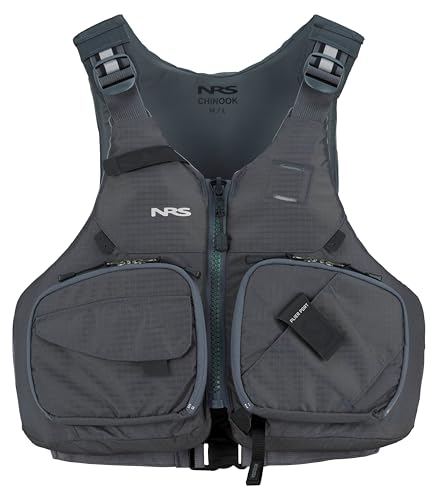
- Wear a properly fitted, Coast Guard-approved PFD, buckled up
- Pack a paddle, leashed or secured, as backup propulsion
- Check fins or prop for cracks, line and weeds
- Test rudder lines and steering lever
- Confirm the drive is locked into the hull
- Carry a whistle and, in low light, a white light
- Check wind and weather forecast, and the tide on the coast
- Tell someone your route and return time
- Dress for the water temperature, not the air temperature
How to Choose the Right Pedal Kayak
Start with where you’ll paddle. Shallow flats, grassy lakes and tidal marshes favor fin drives, while deeper lakes, rivers and coastal water where you need precise control suit propeller drives. If you fish open ocean, look for a longer hull, solid tracking and a drive that tilts up easily for beach launches. Our guide to kayaks for ocean fishing covers what matters in surf and swell.
Next, be honest about transport. Check the hull weight, the drive weight and the total weight once rigged. If you can’t load it by yourself, think about how often you’ll actually go out.
Finally, check the fit. Make sure the pedals adjust to your leg length, the seat supports your back over long days, and the deck has room for your gear. A boat that fits you well is one you’ll use more often.
Also ask about parts and service. Fins, props, cables and rudder lines all wear out over time, so pick a brand whose replacement parts you can find easily near you.

Matching drive type to your water
| Where you paddle | Better fit | Why |
|---|---|---|
| Shallow flats and marshes | Fin drive | Fins fold up when they touch bottom |
| Weedy lakes | Fin drive | Fins tend to shed grass better than props |
| Deep lakes and reservoirs | Either | Both work well; choose by feel |
| Rivers with current | Propeller drive | Instant reverse helps with control |
| Ocean and bays | Either, with tilt-up drive | Easy lift for beach launches and landings |
| Rocky, shallow creeks | Paddle kayak | Drives risk damage and hit bottom often |
Gear that helps

Our guide
10 Best Anchors for Fishing Kayaks
An anchor or stake-out system holds you in place on windy days when pedaling alone can’t.
Our guide
6 Best Kayak Accessories for Fishing
Rod holders, crates and mounts help you rig a pedal kayak so lines and gear stay clear of the drive.

Our guide
6 Best Fishing Kayaks for Beginners
Helps new anglers compare stable, beginner-friendly hulls before choosing a pedal model.
Questions
Can you paddle a pedal kayak?
Yes. Every pedal kayak can be paddled, and you should always carry a paddle as a backup. Pull the drive out or tilt it up in very shallow water and paddle through. Wide fishing hulls feel slower to paddle than a slimmer kayak.
Do pedal kayaks go in reverse?
Propeller drives reverse instantly when you pedal backward. Older fin drives only go forward, but many newer fin systems add reverse, often with a pull cable that flips the fins. Check the specs of the model you’re considering.
How shallow can a pedal kayak go?
Fin drives handle shallow water best because the fins fold flat against the hull when they touch bottom. Propeller drives need enough depth to clear the prop, and most can tilt up for very shallow spots. The exact depth varies by model, so check the manufacturer’s specs.
Are pedal kayaks good for beginners?
They can be. Pedaling is easy to learn, and the stable, wide hulls feel secure. The main challenges for beginners are the extra weight, the higher cost and learning to steer with a rudder. Always carry a paddle and practice in calm water first.
Do I need to register a pedal kayak?
It depends on where you live. Some states require registration or a launch permit for all kayaks, while others exempt human-powered boats. Adding a motor usually changes the rules, so check with your state boating agency before you launch.
Update log
Rewritten and expanded: clearer answers, 5 visual summaries, FAQ and related gear guides.


