
Fishing › Guides › Best Bait for Surf Fishing
The best surf fishing bait is usually what lives on that beach: sand fleas (mole crabs), shrimp, clams, sandworms or bloodworms, and fresh cut fish like mullet or bunker. Fresh, local bait beats anything else, and you can buy Fishbites or Gulp! as a backup that stays on the hook. For surf perch on the West Coast, sand crabs are the top pick, followed by sandworms, ghost shrimp and mussels.
Key takeaways
- Use what the fish eat on that beach. Sand fleas, clams and worms wash out of the sand every wave, so fish expect them.
- Fresh bait almost always beats frozen. Cut fish loses scent fast, so swap it every 15 to 20 minutes.
- Match hook size to the fish, not to the bait: #4 to #6 for perch, #1 to 2/0 for pompano and whiting, 4/0 to 8/0 circle hooks for drum and stripers.
- Check local rules before you dig, net or use certain baits. Collection limits and circle-hook rules vary by state and species.
In this guide
- The Best All-Around Baits for Surf Fishing
- Match Your Bait to the Region and Season
- What Bait to Use for Surf Perch
- Fresh, Frozen or Artificial: Which Is Best?
- How to Rig Surf Bait So It Stays On
- Catching and Keeping Your Own Bait
- Timing, Conditions and Common Bait Mistakes
The Best All-Around Baits for Surf Fishing
Fish in the surf zone mostly feed on what the waves dig up: crustaceans, clams, worms and small baitfish. Pick a bait from one of those groups and you’re offering something fish already hunt in that water. That’s why a few baits work on almost any sandy beach.
Sand fleas (also called mole crabs or sand crabs) top most lists. They live in the wet sand where waves wash up, and pompano, whiting, redfish, black drum, surf perch and corbina all eat them. Shrimp is a close second because nearly every saltwater fish eats it and you can buy it at almost any bait shop.
For bigger fish, cut bait gets the job done. Fresh chunks of menhaden (bunker), mullet, mackerel or squid put a strong scent trail in the water, which helps striped bass, bluefish, red drum and sharks find your hook in rough, murky surf.
Clams and worms round out the core list. Clam strips are a classic striper and black drum bait, and bloodworms and sandworms catch everything from kingfish to perch. If you can only carry two baits, bring one small bait like sand fleas or shrimp and one big cut bait. That way you’re covered for both pan-sized and trophy fish.
Top surf baits and what they catch
| Bait | Best for | Hook size | Notes |
|---|---|---|---|
| Sand fleas (mole crabs) | Pompano, whiting, redfish, perch, corbina | #4 to 1/0 | Soft-shell and egg-bearing ones work best |
| Shrimp (fresh or frozen) | Whiting, drum, redfish, croaker, flounder | #2 to 2/0 | Peel and use small pieces for small mouths |
| Cut bunker or mullet | Stripers, bluefish, red drum, sharks | 4/0 to 8/0 circle | Change every 15 to 20 minutes |
| Clams | Stripers, black drum, kingfish | 2/0 to 6/0 | Soft, so tie on with bait thread |
| Bloodworms / sandworms | Kingfish, croaker, perch, stripers | #4 to 1/0 | Pricey but very effective |
| Squid strips | Almost everything, sharks, bluefish | 1/0 to 6/0 | Tough, stays on in heavy surf |
Match Your Bait to the Region and Season
The same bait doesn’t work equally well on every coast. Fish key in on whatever is plentiful locally, and that changes with water temperature and the time of year. Ask at the nearest bait shop what’s working this week, since they hear it from anglers every day.
Tip: Watch the waterline when you get to the beach. If you see sand fleas digging back in after each wave, or birds diving on baitfish, you already know what the fish are eating.
Atlantic Coast
From New England to the Carolinas, fresh bunker and clams are the standard bait for striped bass, especially during the spring and fall migrations. Bloodworms are a favorite in spring when water is cold. In summer, small pieces of bloodworm, shrimp or Fishbites catch kingfish (sea mullet), croaker and spot, while cut mullet pulls in bluefish and red drum along the mid-Atlantic and Southeast.
Gulf Coast and Florida
Sand fleas are king here, especially for pompano in spring and fall. Shrimp catches whiting, redfish and black drum all year. Cut mullet and ladyfish are popular for big bull redfish and sharks, mostly at dawn, dusk and night.
Pacific Coast
On West Coast beaches, sand crabs, sandworms, ghost shrimp and mussels rule. These catch surf perch, corbina, yellowfin croaker and halibut in Southern California. Farther north in Oregon and Washington, redtail perch take sand shrimp, clam necks and Gulp! sandworms. Squid and cut sardine are used for leopard sharks and larger fish.
What Bait to Use for Surf Perch
Surf perch (barred, redtail, calico and walleye perch) are some of the most popular surf fish on the West Coast. They have small mouths and feed close to shore, often in the trough just past the first wave. Small baits on small hooks are the key.
Live sand crabs are the top natural bait, and the soft-shell ones (just after molting) are the best of all. Females carrying bright orange eggs are also a big draw. Dig them yourself at the swash line, keep them in damp sand in a cooler, and thread them on from the bottom of the shell up through the top.
Other Proven Perch Baits
Sandworms, bloodworms and lugworms work well, cut into 1 to 2 inch pieces. Ghost shrimp and sand shrimp are great when you can find them. Mussels and clam necks catch perch near rocks and jetties, though mussels are soft and need bait thread to stay on.
Many anglers also use Berkley Gulp! Sandworms in camo or nuclear chicken colors. They hold up to the waves, keep for weeks, and catch perch just as well as live bait on many days. A small grub on a Carolina rig is another good option when bait is scarce.
Perch Rigging Basics
Use a #4 to #6 hook on a Carolina rig or a two-hook dropper loop rig with a 1 to 3 ounce sinker, just enough to hold bottom. Cast into the first trough, not far out, and keep the line tight so you feel the quick taps. Light 8 to 12 pound line on a 9 to 11 foot rod is plenty in most conditions.
Fresh, Frozen or Artificial: Which Is Best?
Fresh, local bait is almost always the most effective because it gives off the most scent and looks natural. Cut bait in particular loses its oils and smell fast in moving water. Freshly caught mullet or bunker will outfish old frozen bait on most days.
Frozen bait still catches plenty of fish and is easy to store. Buy bait that was frozen quickly and kept frozen, and thaw only what you need. Frozen shrimp gets mushy, so peel it, cut it into small pieces, and consider bait thread. Avoid bait that’s gray, smells sour, or has been thawed and refrozen.
Scented artificial baits like Fishbites and Gulp! fill the gap. They stay on the hook through crashing waves, don’t attract bait-stealing crabs as much as natural bait, and won’t spoil in your bag. Many anglers bait one hook with natural bait and tip the other with a Fishbites strip. If you’d rather cast and work hardware, see our guide to lures for surf fishing.
How to Rig Surf Bait So It Stays On
Surf bait takes a beating. You throw it hard, then waves, current and crabs work on it. A well-rigged bait stays on longer, fishes better, and saves you from reeling in an empty hook.
Choose a rig to match the target. A two-hook high-low (dropper loop) rig is great for whiting, kingfish, perch and pompano. A fish-finder or Carolina rig with one circle hook is better for big cut baits aimed at stripers and red drum. A pyramid or sputnik sinker of 2 to 6 ounces holds bottom in most surf, depending on wave size and current.
Hook choice matters as much as bait. Many Atlantic coast areas now require inline circle hooks when using natural bait for striped bass, and rules differ by state, so check before you go. For a full breakdown of styles and sizes, see our guide to hooks for surf fishing.
Rigging common surf baits
- Sand fleasPush the hook up from the bottom of the shell and out the top near the head. Leave the point exposed so it can set.
- ShrimpPeel it, cut it into pieces sized to the fish, and thread the hook through the body a couple of times.
- Cut baitCut chunks or strips with skin on. Hook once through the skin side so the bait hangs naturally.
- Clams and musselsHook through the tough foot or edge, then wrap with bait thread or elastic thread to hold it on.
- WormsThread a 1 to 2 inch piece up the hook shank, leaving a short tail to wiggle.
- Check it oftenReel in every 10 to 20 minutes to check your bait. A bare hook catches nothing.
Catching and Keeping Your Own Bait
Catching your own bait is cheaper and gives you the freshest bait possible. On many beaches you can collect sand fleas, clams, worms and baitfish on the spot. Before you do, check your state’s rules. Some states require a fishing license to gather bait, set daily limits, or close certain species and areas.
To catch sand fleas, look for V-shaped ripples in the wet sand as waves pull back. That’s where they’re feeding. Scoop that spot with a sand flea rake, a long-handled wire basket, and shake out the sand. You can also dig by hand in a pinch.
Mullet and other baitfish can be caught with a cast net in the shallows or near inlets. Check cast net rules too, since some places restrict them.
Keeping bait alive or fresh matters. Store sand fleas in damp sand or seaweed in a cooler, not in a bucket of seawater that heats up in the sun. Keep cut bait on ice in a sealed bag so meltwater doesn’t make it soggy. Worms do best in their bedding in a cool, shaded spot.
Bait kit checklist for a day on the beach
- Sand flea rake or cast net (where legal)
- Small cooler with ice packs
- Zip bags for cut bait
- Bait thread or elastic thread
- Sharp bait knife and small cutting board
- Pack of Fishbites or Gulp! as backup
- Pliers and a towel
- Fishing license and a copy of local rules
Timing, Conditions and Common Bait Mistakes
The right bait in the wrong conditions still won’t catch much. Most surf fish feed best at dawn, dusk and night, and around moving tides. The hours around a rising tide are often good because water pushes into troughs and washes up food.
Rough, murky water favors strong-scented baits like cut bunker, mullet and clams because fish hunt by smell. Calm, clear water favors smaller, natural baits like sand fleas and worms on lighter line and smaller hooks.
Safety note: Watch for rip currents and never turn your back on the waves when wading out to cast or rake bait. Sharks and stingrays are drawn to cut bait, so shuffle your feet in the water and don’t clean fish where people swim.
Mistakes to Avoid
Using bait that’s too big is the most common mistake. Most surf fish, including whiting, pompano and perch, have small mouths. A big chunk of shrimp gets stolen, not swallowed.
Casting too far is another one. Fish often feed in the first trough, sometimes within 20 to 40 feet of the shore. Try close before you go long.
Leaving bait out too long wastes time. Cut bait washes out, and crabs strip hooks fast. Also, don’t forget to match your gear to the bait. A heavy rod and big sinker are overkill for perch, while light gear can’t cast a 6 ounce sinker with a bunker head. Our roundup of fishing poles for surf fishing can help you pick the right length and power.
Gear that helps
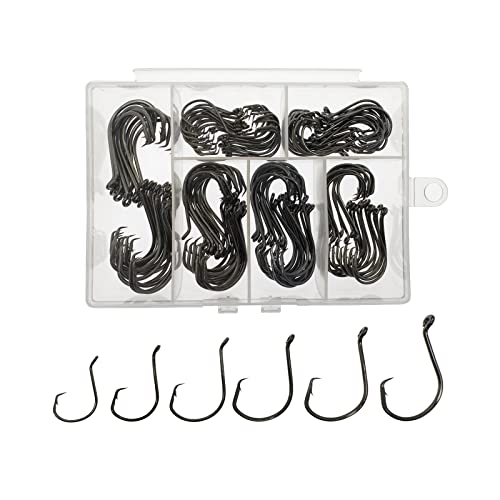
Our guide
10 Best Hooks for Surf Fishing
Getting the hook size and type right for your bait matters as much as the bait itself, and some striper fisheries require circle hooks.

Our guide
10 Best Fishing Poles for Surf Fishing
Rod length and power decide how far and how hard you can cast different bait and sinker weights.

Our guide
10 Best Fishing Gear for Surf Fishing
Covers rakes, coolers, sand spikes and other gear that makes bait fishing on the beach easier.
Questions
What is the best all-around bait for surf fishing?
Shrimp and sand fleas are the most versatile surf baits. Nearly every inshore fish eats them, and they work on the Atlantic, Gulf and Pacific coasts. Bring cut bait too if you’re after bigger fish like stripers, red drum or sharks.
What bait is best for surf perch?
Live sand crabs, especially soft-shell ones or females with orange eggs, are the top surf perch bait. Sandworms, ghost shrimp, mussels and clam necks also work well. Berkley Gulp! Sandworms are a popular artificial option that stays on the hook in rough surf.
Is frozen bait OK for surf fishing?
Yes, frozen bait catches plenty of fish, especially shrimp and squid. Fresh bait usually gives off more scent and outfishes frozen, especially cut fish. Thaw only what you need and never refreeze bait.
How do I keep bait on the hook in the surf?
Use bait thread or elastic thread on soft baits like clams, mussels and shrimp. Hook cut bait through the tough skin, and thread worms up the shank. Tougher baits like squid strips and Fishbites stay on longer in heavy waves.
Do I need a license to catch my own bait on the beach?
It depends on the state. Some states require a fishing license to gather sand crabs, clams or worms, and many set daily limits or close certain areas. Check your state’s fish and wildlife rules before you dig or throw a cast net.
Update log
Rewritten and expanded: clearer answers, 6 visual summaries, FAQ and related gear guides.


