
Fishing › Guides › How to Fish for Bream at Night
To catch bream at night on lures, fish small, slow lures close to light. Work 1/32 to 1/16 oz jigs, tiny spinners, foam spiders and small poppers around dock lights, submersible lights and shallow weed edges. Use light 2 to 6 lb line, pick dark colors for a clear silhouette or glow colors near lights, and reel slower than you would in daylight.
Key takeaways
- Light is the key. Dock lights and submersible lights pull in insects and baitfish, and bream follow them.
- Downsize and slow down. Tiny jigs, micro spinners and foam spiders fished slowly get more bites after dark than fast, flashy retrieves.
- Fish black or purple when you want a silhouette, and glow or white close to a light source.
- Estuary bream in saltwater also feed well at night, especially on a rising tide near lit bridges, rock walls and flats.
- Night fishing rules, boat lighting laws and size limits vary by state, so check your local regulations before you go.
In this guide
- Why Bream Bite After Dark (and Which Bream You’re After)
- The Best Lures for Night Bream
- Where to Find Bream at Night: Lights, Docks and Edges
- How to Work Lures for Bream at Night
- Tackle Setup for Night Bream
- Night Lures for Saltwater and Estuary Bream
- Night Safety, Rules and Common Mistakes
Why Bream Bite After Dark (and Which Bream You’re After)
In most of the US, “bream” means bluegill and their sunfish cousins: redear (shellcracker), redbreast, pumpkinseed and longear. In Australia and other places, the name usually means saltwater and estuary bream, a different fish that lives in bays, rivers and harbors. Both feed well at night. Most of the lure advice below fits both, and one section covers saltwater bream on its own.
In summer, bluegill often go deeper or hide in shade during the hottest part of the day. After sunset the shallows cool off, insects hatch and swarm around lights, and small baitfish and zooplankton gather in lit water. Bream move up to feed on all of it, often with less caution than they show in bright, busy daytime water.
Night fishing also means less boat traffic, fewer swimmers and less pressure on popular docks. A spot that gets pounded all afternoon can fish very differently at 10 p.m. once things go quiet.
Tip: Show up about 30 minutes before sunset. You can see the water and structure while it’s light, tie on your rigs, and set up lights before the evening bite starts.
Best seasons for night bream
The night bite is strongest from late spring through early fall, when water temperatures are warm and bugs are active. Around spawning time, bluegill crowd onto shallow beds. Their spawning activity is often linked to the full moon in late spring and early summer, and bright moonlit nights can produce good shallow action. In cold months the night bite usually slows a lot, and daytime fishing in deeper water tends to work better.
The Best Lures for Night Bream
Bream have small mouths, so the most common mistake at night is a lure that is too big. Keep freshwater lures roughly between 1 and 2 inches long, and keep jigs at 1/32 to 1/16 oz. Light lures sink slowly and hang in the strike zone, which matters when fish are feeding on drifting insects and plankton.
Vibration and silhouette matter more after dark because fish see less detail. Bream find food with their lateral line, which senses movement in the water, and by looking for shapes against the lighter surface above them. Lures that throb, wiggle or make small surface disturbances are easier for them to find.
Night lure options for freshwater bream
| Lure | Typical size | Best spot | How to fish it |
|---|---|---|---|
| Marabou or hair micro jig | 1/32 to 1/16 oz | Under dock lights, around brush | Slow swim or under a small float |
| Tiny soft plastic grub or nymph | 1 to 2 in on 1/32 oz head | Lit water, weed edges | Slow, steady crawl with pauses |
| Inline spinner | Size 0 to 1 | Open shallows, flats | Slow enough that the blade barely turns |
| Foam spider or small popper | Size 8 to 10 hook | Calm shallows, near banks | Twitch, then let it sit |
| Micro crankbait | 1 to 1.5 in | Edges of lit zones | Slow, steady wind |
| Glow jig with bead | 1/32 to 1/16 oz | Dark water off lights | Vertical jig or slow hop |
Choosing colors at night
Away from lights, black, dark purple and dark blue give the clearest silhouette against the night sky. Under or near a light, white, chartreuse, pearl and glow-in-the-dark colors look like the bugs and baitfish gathered there. Bring one dark option and one bright or glow option in each lure style, and switch if bites slow down.
Using glow lures
Glow jigs and glow beads work best when you charge them often with a UV light or headlamp. Most lose their brightness within a few minutes, so recharge every few casts. A small glow bead above a tiny jig is an easy way to add some visibility without making the lure bigger.
Where to Find Bream at Night: Lights, Docks and Edges
Lit docks are the most reliable night bream spots on many lakes and ponds. Insects come to the light, small fish come for the insects, and bream hang just inside the shadow line where they can dart into the light and back. Cast past the edge of the lit water and bring your lure across the line between light and dark.
If your water has no dock lights, bring your own. Submersible fishing lights, often green, sit just under the surface or hang off a boat or dock. They take time to build up a feeding area, so set one up and give it a while before you expect much.
Away from lights, look for shallow weed edges, the outside of lily pad beds, fallen trees, riprap banks and spawning flats with sand or gravel bottoms. These are the same places bream use during the day, but at night fish often move shallower and closer to cover.
Setting up a light to draw bream
- Pick a spot with structureSet up near brush, weeds or a drop-off that bream already use, not over a bare, featureless bottom.
- Place the lightHang a submersible light a foot or two under the surface, or aim a floating or dock light at the water.
- Give it timeLet the light work for a while so plankton, insects and baitfish can gather before bream move in.
- Fish the shadow lineMake your first casts to the edge of the glow, where bream often wait, before you fish the brightest water.
- Work outwardIf the bite slows, fan casts farther out and deeper to find fish holding just outside the light.
Reading the light
Watch the water under a light for a few minutes before you cast. Small dimples and swirls on the surface usually mean fish are eating insects, so try a foam spider or popper. If you see baitfish but no surface activity, fish a jig or grub a foot or two below the surface.
How to Work Lures for Bream at Night
Slow is the rule. Night fish need more time to find and track a lure, so reel at a crawl and pause often. Many bites come during the pause, when a jig or grub is slowly sinking or a popper is sitting still.
Since you can’t see the lure, pay attention to your line. Keep a little tension, watch where your line enters the water with your headlamp off and the light behind you, and set the hook with a quick, short lift when you feel a tap or weight. A big sweeping hookset tends to pull small lures away from small mouths.
Tip: If you keep getting taps but no hookups, the lure or hook is probably too big. Drop to a smaller jig or a size 10 hook, and use a slower, steadier retrieve.
Jig under a float
A tiny jig suspended under a small float is one of the easiest ways to fish at night. Set it so the jig hangs 1 to 3 feet deep near lights, twitch the float every few seconds, and let the jig sit. A lighted or glow float shows you exactly when a fish takes it.
Slow swimming retrieve
For grubs, micro jigs and spinners, cast, count the lure down a few seconds, then reel just fast enough to keep it off the bottom. Change your countdown until you find the depth where fish are feeding, and keep using that count.
Surface lures
Cast foam spiders and small poppers next to cover and let them sit until the rings disappear. Give a small twitch, pause again, and repeat. Bream often hit after the lure has been still for a few seconds, so don’t rush it back to the boat.
Tackle Setup for Night Bream
A light setup casts small lures better, gives fish more natural action, and makes even small bream fun to catch. For bluegill and sunfish, a 5 to 6.5 foot ultralight or light spinning rod with a small 500 to 1000 size reel covers almost everything. Spool with 2 to 6 lb monofilament or fluorocarbon.
At night, simple rigs save time. Tangles are much harder to fix in the dark, so use a reel with a smooth drag, don’t overfill the spool, and close the bail by hand so loose loops don’t form. A clip or snap lets you change lures quickly without retying under a headlamp.
Tie knots you can tie by feel, such as the improved clinch or the Palomar. Practice them at home first. For a full rundown of lure styles that also work in daylight, see our list of the best fishing lures for bream.
Typical tackle for freshwater vs saltwater bream
| Item | Bluegill and sunfish | Estuary (saltwater) bream |
|---|---|---|
| Rod | 5 to 6.5 ft ultralight | 6.5 to 7 ft light spin |
| Reel size | 500 to 1000 | 1000 to 2500 |
| Main line | 2 to 6 lb mono or fluoro | Light braid, about 4 to 8 lb |
| Leader | Usually none needed | 4 to 8 lb fluorocarbon |
| Jig weight | 1/32 to 1/16 oz | About 1/16 to 1/8 oz |
| Hook size | 8 to 10 | Small, light-wire jigheads |
Night Lures for Saltwater and Estuary Bream
Saltwater bream are known for feeding hard after dark, especially in summer. They move up onto shallow flats, along rock walls and oyster-covered structure, and under lit bridges and jetties to feed on prawns, crabs, worms and small fish. A rising tide that floods the shallows is often the best window, but the timing varies from one estuary to another.
Lure choice is similar to freshwater but a little bigger. Popular night options are soft plastic prawn and grub shapes of about 2 to 3 inches on light jigheads, small surface walkers and poppers, small blade lures, and shallow-diving minnows. Rigging advice in our guide to lures for night fishing in saltwater carries over well to bream on a smaller scale.
Safety note: Size limits, bag limits and closed areas for bream vary by state and region. Check current local rules before you keep any fish, and measure them carefully.
Working surface lures in the dark
On calm, warm nights, a small surface lure twitched slowly across shallow flats can draw loud strikes. Pause often, and wait until you feel weight before you strike. Bream sometimes slap at a surface lure several times before they get hooked.
Fishing lit structure
Bridge and jetty lights create sharp shadow lines that bream use as ambush points. Cast up-current of the light and let your soft plastic drift naturally through the edge of the shadow. Fluorocarbon leaders help in clear water, and they also hold up better around rough oysters and pylons.
Night Safety, Rules and Common Mistakes
Fishing in the dark adds risks you don’t have during the day. Wear a life jacket on boats, kayaks and docks with no railings, and tell someone where you’re going and when you’ll be back. Walk banks and docks in daylight first so you know where the drop-offs, slick spots and snags are.
Rules differ widely. Some public lakes, parks and piers close at sunset, and some waters limit or ban fishing with lights. Boats and kayaks out after dark usually must carry navigation lights. Check state and local regulations before your trip. Kayak anglers can look at our roundup of kayak lights for night fishing.
The most common mistakes are lures that are too big, retrieves that are too fast, and too much light shined on the water. Use a red-light headlamp when you’re working on gear, and point white light away from the spot you’re fishing.
Night bream trip checklist
- Headlamp with a red-light mode, plus spare batteries
- Life jacket for boats, kayaks and open docks
- Submersible or floating fishing light, if allowed where you fish
- Small box of jigs, grubs, spiders and spinners in dark and glow colors
- Pre-tied spare rigs and snaps for quick lure changes
- Pliers or forceps for removing small hooks
- Insect repellent and a light jacket
- Phone in a waterproof case and a plan shared with someone at home
- Fishing license and a copy of local size and bag limits
Gear that helps

Our guide
6 Best Fishing Lures for Bream
Covers the small jigs, spinners and surface lures that do most of the work for bream after dark.
Our guide
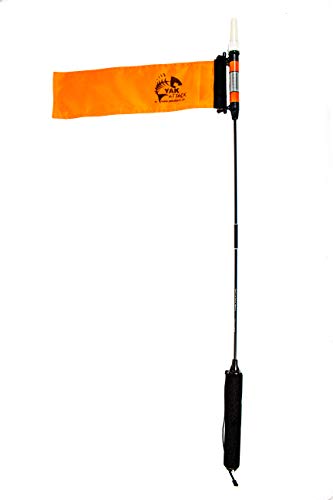
10 Best Kayak Lights for Night Fishing
Lights help you get seen, rig in the dark and draw bait if you fish for bream from a kayak at night.

Our guide
9 Best Lures for Night Fishing in Saltwater
Useful lure and rigging ideas for estuary bream feeding around lit structure after dark.
Questions
Do bream bite at night?
Yes. Bluegill and other sunfish often feed actively after dark in warm months, especially around lights that attract insects and baitfish. Saltwater bream are also well-known night feeders in estuaries and harbors.
What color lure is best for bream at night?
Use black or dark purple when you want a strong silhouette against the sky, especially away from lights. Close to dock or submersible lights, white, chartreuse and glow colors usually work better. Carry both kinds and switch if the bite slows down.
What size lure should I use for bluegill at night?
Stay small. Jigs of 1/32 to 1/16 oz, soft plastics of 1 to 2 inches, size 0 to 1 spinners, and foam spiders on size 8 to 10 hooks fit a bream’s small mouth. Larger lures tend to get taps without hookups.
Do lights really help catch bream at night?
Yes. Lights attract plankton and insects, which bring in baitfish, and bream follow to feed. Give a light time to build up activity, and fish the shadow line at the edge of the glow first.
Is it legal to fish for bream at night?
In many places it is, but the rules vary. Some parks and public lakes close at dusk, some waters limit fishing with lights, and boats usually need navigation lights after dark. Check your state and local regulations before you go.
Update log
Rewritten and expanded: clearer answers, 7 visual summaries, FAQ and related gear guides.


