
Fishing › Guides › Kayak Fishing
Yes, sit-in kayaks can be good for fishing, especially on calm lakes, ponds and slow rivers, and in cool weather when you want to stay dry and warm. They paddle efficiently, weigh less, and keep your center of gravity low. Their weak spots are limited deck space, no standing, and a much harder recovery if you flip, so most dedicated anglers still choose a sit-on-top for open, rough or warm water.
Key takeaways
- Sit-in kayaks keep you drier and warmer, which makes them a strong pick for early spring, late fall and cool-water fishing.
- They are usually lighter and faster to paddle than fishing sit-on-tops, so they suit long paddles to distant spots and solo car-topping.
- A swamped sit-in is hard to recover in deep water, so you need flotation, a bilge pump, a paddle float and real practice before fishing far from shore.
- Choose a sit-on-top if you want to stand, fish the ocean or surf, carry lots of gear, or want easy self-rescue.
In this guide
- Can You Fish From a Sit-In Kayak?
- Where Sit-In Kayaks Shine for Fishing
- The Real Drawbacks of Fishing From a Sit-In
- Why Most Dedicated Anglers Pick a Sit-On-Top
- Which Style Fits Your Water and Season
- How to Set Up a Sit-In Kayak for Fishing
- Capsize Safety and Self-Rescue in a Sit-In
Can You Fish From a Sit-In Kayak?
You can, and plenty of anglers do. A sit-in kayak puts your hips below the waterline inside an enclosed cockpit, while a sit-on-top puts you on an open, molded deck. Both float, both paddle, and both can carry a rod. The difference is how they handle water, gear and mistakes.
Sit-in kayaks were the standard long before purpose-built fishing kayaks became common. Many anglers started out casting for bass and panfish from a basic recreational sit-in, and that still works well on protected water.
The better question is whether a sit-in fits the way you fish. If you paddle small lakes, fish from a seated position, and go out when the air is cool, a sit-in can be the smarter boat. If you want to stand and sight fish, launch through waves, or haul crates, rods and electronics, a sit-on-top usually wins.
The table below sums up how the two designs compare for fishing.
Sit-in vs sit-on-top kayaks for fishing
| Feature | Sit-in kayak | Sit-on-top kayak |
|---|---|---|
| Staying dry | Drier, cockpit blocks splash and wind | Wetter, water drains through scupper holes |
| Cold-weather comfort | Better, especially with a spray skirt | Colder, legs and seat exposed |
| Paddling efficiency | Usually faster and tracks well | Usually slower and wider |
| Typical weight | Often lighter for the same length | Fishing models are often heavy |
| Deck space for gear | Limited, mostly behind you | Plenty, easy to reach |
| Standing to cast | Not practical | Possible on wide, stable models |
| Capsize recovery | Hard, boat fills with water | Easy, flip and climb back on |
Where Sit-In Kayaks Shine for Fishing
Sit-in kayaks have real advantages that get overlooked because fishing marketing focuses on wide, feature-loaded sit-on-tops. For certain anglers and waters, a sit-in simply works better.
Cool and cold seasons
The cockpit keeps your legs out of the wind and away from paddle drip. Add a spray skirt and you stay noticeably warmer and drier. That matters in early spring and late fall, when fish are often active but the water is cold and a wet ride can turn miserable or dangerous fast.
Covering distance
Sit-ins tend to be narrower and sit lower, so they move through the water with less effort and hold a straight line better. If your best spots are a long paddle across a reservoir or down a slow river, you will arrive less tired and have more energy for fishing.
Lighter to load and carry
Many fishing sit-on-tops are heavy and awkward for one person to lift onto a roof rack. A recreational sit-in of similar length is often much lighter, which makes solo trips, steep launches and walk-in ponds far easier.
Low, stable seating
Because you sit lower, your center of gravity is low. That gives a sit-in good secondary stability, meaning it resists tipping further once it is leaned onto its edge. Seated casting, reeling and landing small to medium fish feels secure on calm water.
The Real Drawbacks of Fishing From a Sit-In
The biggest issue is what happens if you flip. A sit-on-top drains itself through scupper holes, so you roll it over and climb back on. A sit-in fills with water. Without flotation, a swamped recreational sit-in can ride very low and be close to impossible to empty in deep water.
Gear access is the second problem. Most storage on a sit-in sits behind you under a hatch or bungees, and twisting around in a narrow boat to grab a lure box is awkward. There is far less flat space for a crate, rod holders, a fish finder or a cooler.
You also cannot stand. Standing is a big deal for sight fishing on flats or casting to cover in shallow water, and it gives your back a break on long days. Sit-ins are not built for it.
Finally, landing big fish is trickier. A cockpit limits how you shift your body, and a fish thrashing alongside can feel unsettling when you cannot brace your legs freely. Many sit-in anglers keep a short-handled net and fish lighter tackle for that reason.
Safety note: Never take a sit-in kayak far from shore without flotation in both ends, a bilge pump and a practiced re-entry method. A swamped sit-in with no float bags or sealed bulkheads may not support you well enough to climb back in.
Why Most Dedicated Anglers Pick a Sit-On-Top
Purpose-built fishing kayaks are overwhelmingly sit-on-tops, and the reasons are practical. The open deck has room for rod holders, track mounts, electronics, a crate and an elevated seat. Everything sits in front of you or beside you, within easy reach.
Self-rescue is the other big factor. If a sit-on-top flips, you turn it upright and climb back on from the side, which most people can learn quickly. That makes them a safer choice for beginners, warm-weather swimmers, and anyone fishing open water where help may be far away.
Wide fishing sit-on-tops also offer enough primary stability for many anglers to stand and cast. If stability is your top priority, our guide to stable kayaks for fishing covers models built around that.
The tradeoffs are weight, speed and warmth. A loaded fishing sit-on-top can be heavy to move and slow to paddle, and you will get wet. In hot summer weather that is often welcome. In cold water it is a real comfort and safety concern, so dress for immersion either way.
If you are just getting started and want a forgiving platform, a beginner-friendly sit-on-top is usually the easiest path. See our picks for fishing kayaks for beginners.
Which Style Fits Your Water and Season
Matching the kayak to your conditions matters more than any spec sheet. Think about where you fish most often, how cold the water gets, and how far you will be from shore.
Small ponds, creeks, quiet coves and slow rivers suit sit-ins well. Distances are short, wind and waves are limited, and shore is close if something goes wrong. Big open lakes are a mixed bag: a sit-in paddles well across them, but afternoon wind can build chop quickly, and recovery in deep water is harder.
Saltwater, surf launches and open bays generally favor sit-on-tops. Waves can swamp an open cockpit, and self-bailing matters when spray keeps coming over the side. Sea kayaks with spray decks are a separate category used by skilled paddlers, but they are not ideal fishing platforms for most people.
Seasons shift the balance too. In warm southern summers, a wet sit-on-top keeps you cool. In northern spring and fall, or on mountain lakes fed by snowmelt, the warmth of a sit-in can make the difference between fishing comfortably and cutting the day short. Regional conditions vary widely, so judge by your local water temperatures and wind patterns.
The chart below gives a relative sense of how well a sit-in kayak suits common fishing situations.
How to Set Up a Sit-In Kayak for Fishing
A plain recreational sit-in can become a capable fishing boat with a few smart additions. The goal is to keep essentials within reach, add flotation, and avoid cluttering the cockpit so you can still exit quickly.
Start with safety gear, then add fishing gear. Mount rod holders behind the seat where they will not snag your paddle stroke, and keep a small tackle tray or bag between your knees or on the front deck. Use leashes for rods, paddle and anything you cannot afford to lose.
A better seat also makes a big difference on long days, since many basic sit-in seats are thin and low. Comfort keeps you on the water longer and helps you sit upright, which improves balance.
For a full rundown of useful add-ons, see our list of kayak accessories for fishing. Keep the setup simple at first, then add only what you actually reach for.
Sit-in kayak fishing setup checklist
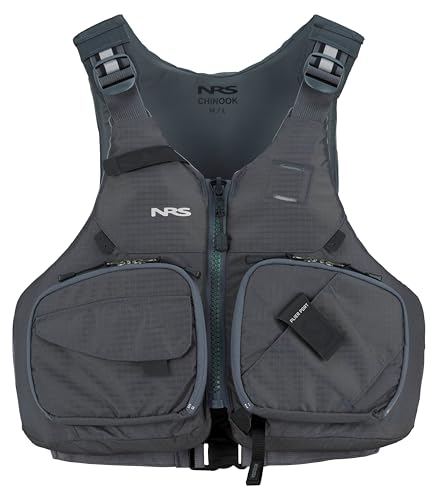
- Properly fitted PFD, worn and zipped
- Float bags or sealed bulkheads in bow and stern
- Bilge pump or sponge
- Paddle float for self-rescue
- Paddle leash and rod leashes
- Rod holders mounted behind the seat
- Small tackle tray or dry bag within reach
- Short-handled landing net
- Whistle and a light if you fish near dawn or dusk
- Spray skirt for cool or windy days
- Water, sun protection and a phone in a waterproof case
Capsize Safety and Self-Rescue in a Sit-In
Because recovery is the sit-in’s biggest weakness, learning a self-rescue is not optional if you fish beyond easy swimming distance. Practice in warm, shallow water with a friend nearby before you ever need it for real.
Wear your PFD every time you paddle. In the US, kayaks are generally treated as vessels and must carry a Coast Guard approved life jacket for each person, and some states require wearing one during colder months. Rules vary by state and waterway, so check local regulations.
Dress for the water temperature, not the air temperature. Cold water saps strength quickly, and even strong swimmers can lose the ability to self-rescue within minutes. In cold conditions, a wetsuit or drysuit and staying close to shore are the safest choices.
The paddle float rescue below is the most common solo method for sit-in kayaks. It takes practice to do smoothly, so rehearse it several times each season.
Paddle float re-entry for a sit-in kayak
- Wet exit calmlyIf you flip, pull the spray skirt grab loop, push the boat away with your hands, and slide out. Keep hold of the kayak and paddle.
- Flip the kayak uprightReach under, grab the far edge of the cockpit, and roll the boat upright with one quick motion to spill out as much water as possible.
- Rig the paddle floatSlide the float onto one paddle blade and inflate it or secure it, depending on the type.
- Make an outriggerLay the paddle across the back of the cockpit at a right angle to the kayak, with the float out on the water for support.
- Climb onto the back deckKick your legs to the surface and pull yourself belly-down onto the deck behind the cockpit, keeping weight toward the float side.
- Slide in and turnWork your legs into the cockpit, then twist your body around to sit down while keeping weight on the paddle shaft.
- Pump out and resetPump out the remaining water, stow the float, reattach the spray skirt if used, and head toward shore to warm up.
Gear that helps
Our guide
6 Best Kayak Accessories for Fishing
Rod holders, leashes, pumps and storage help turn a basic sit-in into a safer, more capable fishing boat.

Our guide
6 Best Fishing Seats for Kayaks
A supportive seat makes long sessions in a cramped sit-in cockpit far more comfortable.

Our guide
6 Best Stable Kayaks for Fishing
If you decide you want to stand or fish rougher water, these stable sit-on-top designs are the logical alternative.
Questions
Are sit-in kayaks good for fishing?
Yes, for calm and sheltered water like ponds, small lakes and slow rivers. They keep you drier and warmer, paddle efficiently and weigh less. They are weaker for heavy gear loads, standing, rough water and capsize recovery.
Is a sit-in or sit-on-top kayak more stable for fishing?
Sit-ins have a low center of gravity and good secondary stability, so they feel steady when seated. Wide fishing sit-on-tops usually have more primary stability, which is what lets many anglers stand. For seated fishing on calm water, both can feel secure.
Can you stand up in a sit-in kayak to fish?
Generally no. The cockpit and narrow hull are not designed for standing, and trying it greatly raises your risk of flipping. If standing to cast or sight fish matters to you, choose a wide sit-on-top built for it.
Are sit-in kayaks safe for ocean fishing?
Recreational sit-ins are a poor choice for ocean fishing because waves can swamp the open cockpit and recovery is difficult. Experienced paddlers sometimes fish from sea kayaks with spray decks, but most ocean anglers use self-bailing sit-on-tops. Check local conditions and regulations before any saltwater trip.
What happens if a sit-in kayak flips while fishing?
The cockpit fills with water, so you need to wet exit, flip the boat upright, and re-enter using a method like the paddle float rescue, then pump it out. Float bags or sealed bulkheads keep the boat riding high enough to make this possible. Practice in warm, shallow water before relying on it.
Update log
Rewritten and expanded: clearer answers, 5 visual summaries, FAQ and related gear guides.


