
Fishing › Guides › Night Fishing Colors
Green light attracts the most fish at night. It travels farther through water than other colors and pulls in plankton and baitfish, and predators follow them. For lures, dark colors like black, purple, and black-blue show the clearest outline after dark, glow finishes help in deep or murky water, and chartreuse is a strong choice when the water is stained.
Key takeaways
- Green light gets the most action. It shows up well in most water and draws in the plankton and baitfish that predators feed on.
- Give a fishing light 20 to 45 minutes to build up the food chain before you expect bites.
- At night, a lure’s outline matters more than its color. Dark lures stand out best against the sky.
- Use glow lures and chartreuse in deep, stained, or muddy water, and cut back on flash during a bright moon.
- Rules for using lights to fish differ by state and species, so check your local regulations before you go.
In this guide
- What Color Light Attracts Fish at Night?
- Comparing Fishing Light Colors
- How to Set Up a Night Fishing Light
- What Color Fishing Lure to Use at Night
- Matching Lure Color to Moon, Water Clarity, and Light
- Freshwater, Saltwater, and Seasonal Differences
- Common Mistakes and Night Fishing Safety
What Color Light Attracts Fish at Night?
Green is the most popular color for night fishing lights, and for good reason. Water filters out light by wavelength. Red fades within the first few feet, while green and blue travel much farther, especially in coastal and freshwater lakes that hold some algae or sediment.
The light doesn’t really attract game fish directly. It draws in tiny zooplankton and insects first, then baitfish come in to eat them, and finally predators like crappie, bass, trout, snook, speckled trout, and striped bass come in to feed on the baitfish. That is why a good light spot keeps getting better for the first half hour or so.
Green also has a practical edge: it lights up a wide area without being as harsh as white. Many anglers find that fish feed more confidently along the edge of a green glow than under a bright white beam.
Why Blue and White Still Have a Place
In very clear, deep salt water, blue light travels the farthest of any color, so some offshore and dock anglers prefer it. White light attracts baitfish too, but it also pulls in a lot of flying insects and can light up you and your line more than you’d like. Red is a poor fish attractor underwater, but it works well for headlamps because it protects your night vision.
Comparing Fishing Light Colors
Each light color has a job. The table below shows where each one works best and what to watch out for, so you can match your light to your water and target species.
If you only buy one light, pick green. It works in fresh and salt water, clear and stained conditions, and from docks, piers, kayaks, and boats. Add a red headlamp for tying knots and handling fish so you don’t blind yourself or spook fish under the light.
Brightness matters as much as color. A very bright light in shallow, clear water can make fish nervous, while a dim light in deep or stained water may not reach far enough to build a bait school. Start moderate and adjust.
Power source is worth thinking about too. Lights that run off a boat battery can stay on all night, while small battery-powered units are easier to carry to a pier or dock but may dim after a few hours. Bring spare batteries or a charged power pack so your light doesn’t fade just as the bite starts.
Night fishing light colors at a glance
| Light color | How well it shows up in water | Best use | Drawbacks |
|---|---|---|---|
| Green | High in most water types | All-around fresh and salt water, docks, boats | Slightly less reach than blue in very clear deep water |
| Blue | Highest in clear, deep water | Clear saltwater, offshore, clear lakes | Weaker in muddy or algae-heavy water |
| White | Moderate | Lighting the deck, general bait attraction | Draws insects, can spook fish in shallows |
| Red | Very low underwater | Headlamps, deck work, keeping night vision | Does almost nothing to attract bait |
| UV / blacklight | Above water only | Making fluorescent line glow so you see strikes | Not a fish attractor by itself |
How to Set Up a Night Fishing Light
The way you put out a light matters as much as its color. A light in the right place lets fish feed along the edge of the glow, where they feel hidden in the darker water but can still pick off bait. Most of your bites will come from that shadow line, not from the brightest spot.
Submersible lights usually draw more bait than lights mounted above the water, because the light goes straight into the water instead of bouncing off the surface. Floating lights and lights mounted on docks or rails still work well, especially in shallow water.
Current matters too. In rivers and tidal areas, set the light just upstream of where you want fish to gather, so bait drifting through the glow gets carried toward the structure where predators wait. On still lakes, the bait school forms right around the light.
If you fish from a small craft, a dedicated rig makes this easier. Our roundup of kayak lights for night fishing covers submersible and deck options built for paddlers.
Setting up a fishing light step by step
- Pick the spotChoose structure near deeper water, like a dock, bridge piling, channel edge, or drop-off, where fish already move through.
- Lower the lightHang a submersible light a few feet down, or point a floating light so it shines into the water instead of across the surface.
- Wait for the food chainGive it 20 to 45 minutes to pull in plankton and baitfish before you expect predators to show up.
- Cast to the edgesWork your lure along the border between light and dark, where predators wait in ambush.
- Keep your own light lowUse a red or dimmed headlamp and keep it off the water so you don’t scatter the fish.
- Stay putMoving the light around resets the bait school, so commit to a spot for at least an hour.
What Color Fishing Lure to Use at Night
After dark, fish rely more on outline, contrast, and vibration than on color. Looking up from below, a fish sees your lure against the faint light of the night sky. A dark lure makes the sharpest outline in that situation, which is why black is the classic night color.
Black, purple, black-blue, and dark red are dependable all-around choices. They make a crisp, easy-to-find outline whether the moon is up or not. Many bass anglers swear by black or black-blue for night soft plastics, spinnerbaits, and topwater lures.
Lighter colors still have a role. Under a dock light or green fishing light, natural colors that match the baitfish, like white, silver, and pearl, can work better because the fish can actually see detail. Chartreuse is very easy to see in stained water, and glow-in-the-dark finishes give fish something to find in deep or muddy water.
Tip: If you’re unsure, tie on black or black-blue first. It’s the most reliable night lure color in almost every condition, and you can switch to glow or chartreuse if the water is dirty.
Glow and UV Lures
Glow lures soak up light and give it back slowly. Charge them with a flashlight or UV light every few casts, because the glow fades quickly. They shine in deep water, murky water, and for species that feed by sight in darkness, like squid, walleye, and many saltwater bottom fish.
Don’t Ignore Vibration
Since fish can’t see well at night, sound and vibration help them find a lure. Colorado-blade spinnerbaits, rattling crankbaits, buzzbaits, and paddle-tail swimbaits make noise and movement that fish feel through their lateral line. A dark lure that thumps is often the best night setup.
Matching Lure Color to Moon, Water Clarity, and Light
The best lure color changes with how much light there is and how clear the water is. A bright full moon in clear water calls for something very different than a dark, cloudy night in a muddy river.
Use the chart below as a starting point, then adjust based on what the fish tell you. If you get short strikes or follows without hookups, try a slightly smaller or more natural-looking lure. If you get no attention at all, go darker, louder, or switch to glow.
On bright moonlit nights, fish can see more detail, so subtle, natural finishes and slower presentations often work. On moonless or cloudy nights, go bold with dark outlines, big profiles, and strong vibration.
Light from shore matters too. Bridges, marinas, and streetlights near the water act like a weaker fishing light, so lures that match the local baitfish often work better there than plain black. Keep two or three color options rigged on separate rods so you can switch quickly without retying in the dark.
Night lure color by conditions
| Condition | Best colors | Lure style tips |
|---|---|---|
| Clear water, bright moon | Black, dark purple, natural silver or pearl | Smaller profile, slower retrieve |
| Clear water, dark night | Black, black-blue | Bulky profile, add rattles or blades |
| Stained water | Chartreuse, black-chartreuse, glow | Big thump, Colorado blades |
| Muddy water | Glow, chartreuse, solid black | Loud lures, slow and steady |
| Under a green or dock light | White, silver, pearl, baitfish patterns | Match the size of the bait in the light |
| Deep water (20+ feet) | Glow, UV, dark purple | Recharge glow often, fish near bottom |
Freshwater, Saltwater, and Seasonal Differences
Fish species and environments vary, so your color choices should too. The main rules still apply everywhere: green light draws bait, and dark outlines stand out. But there are a few regional patterns worth knowing.
Freshwater
Crappie and white bass gather under submerged green lights on lakes and reservoirs, especially around bridges and marinas. Small jigs in white, chartreuse, or pink and white are popular under the light. Largemouth bass feed shallow on summer nights and respond well to dark soft plastics and noisy topwaters. For more detail, see our guide to the best lures and colors for night bass fishing.
Saltwater
Snook, speckled trout, and redfish often hold along the shadow line of dock lights in the Gulf and Southeast. Shrimp-pattern lures in clear, white, or root beer colors match what they eat. Surf and pier anglers often pair glow beads or glow jig heads with natural bait. Our guide to bait for surf fishing covers what to put on the hook.
Seasons
Night fishing is usually best in summer, when hot days push fish to feed after dark. In spring and fall, the first few hours after sunset are often most productive. In winter, plankton and baitfish still gather under lights in many areas, but fish move more slowly, so downsize lures and slow your retrieve.
Common Mistakes and Night Fishing Safety
Most night fishing problems come from too much light in the wrong place or too little preparation. Shining a headlamp across the water, stomping on a dock, or moving your fishing light every 10 minutes will scatter the fish you worked to attract.
Another common mistake is trusting color too much. Retrieve speed, depth, and vibration usually matter more at night than the exact shade of a lure. Change those before you change colors.
Scout new water in daylight first. Knowing where the snags, shallow bars, rocks, and dock pilings are makes night casting safer and cuts down on lost lures. Set up your rods, tackle, and landing net before dark so you’re not digging through a bag with a headlamp.
Laws on fishing lights vary. Some states restrict using lights to attract certain game fish, limit light use in specific waters, or have separate rules for gigging and bowfishing. Always check your state and local fishing regulations before heading out.
Night fishing safety checklist
- Life jacket on, especially when fishing alone or from a kayak
- Required boat navigation lights working and visible
- Fishing lights aimed so they don’t blind other boaters
- Red headlamp plus a backup light and spare batteries
- Phone in a waterproof case and someone told your plan
- Check local regulations on using lights to fish
- Clear the deck or dock of tripping hazards before dark
- Bring pliers and a hook remover for safe handling in low light
Gear that helps
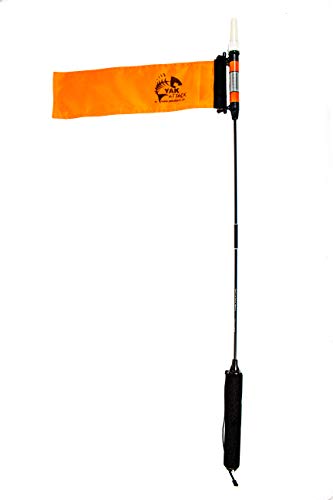
Our guide
10 Best Kayak Lights for Night Fishing
Covers submersible and deck lights, including green options, that pull in bait and keep paddlers visible after dark.
Our guide
Best Lures and Colors for Night Bass Fishing
Goes deeper on the specific dark, noisy lures that catch bass after sunset.
Our guide
Best Bait for Surf Fishing: What to Use, Where and When
Helps saltwater night anglers choose natural baits to pair with glow rigs and lighted piers.
Questions
What color light attracts fish the most at night?
Green light is generally the most effective. It travels well through most water and attracts plankton and baitfish, which bring in predators. In very clear, deep salt water, blue can reach a little farther.
Do fish see red light?
Red light fades very quickly underwater, so it does little to attract fish. That makes red good for headlamps, because you can see what you’re doing without shining much light into the water or spooking fish under your fishing light.
What is the best lure color for night fishing?
Black is the most reliable choice, followed by purple and black-blue. These dark colors make a clear outline against the night sky. In stained or muddy water, switch to chartreuse or glow finishes.
Do glow-in-the-dark lures really work?
Yes, especially in deep or murky water and for species like walleye, squid, and many saltwater fish. Recharge them with a flashlight or UV light every few casts, because the glow fades fairly quickly.
Is it legal to use lights to attract fish?
In many places it is, but rules vary by state, waterbody, and species. Some areas limit lights for certain game fish or have special rules for gigging and bowfishing. Check your local fishing regulations before you use one.
Update log
Rewritten and expanded: clearer answers, 5 visual summaries, FAQ and related gear guides.


