
Fishing › Guides › Bass Fishing in Ponds
To catch bigger bass in ponds, pick a pond that can grow big fish, then fish at the times big bass feed most: prespawn, low-light hours, and cloudy or windy days. Approach quietly, use bigger lures slowly near cover and drop-offs, and carry line and a rod that can pull a heavy fish out of weeds. Release the big ones so they can keep growing.
Key takeaways
- The pond matters as much as the angler: cover, forage, healthy water and bass genetics decide how big the fish can get.
- Big bass feed hardest in prespawn and in low light, and they spook easily, so stealth and timing beat cast count.
- Upsize your lure and slow down; big bass want a large meal for little effort.
- Use heavy enough line and a stout rod for the cover, handle trophies horizontally, and check local rules before you keep any fish.
In this guide
- Pick a Pond That Can Grow Big Bass
- Fish at the Right Time of Year and Day
- Approach Quietly: Stealth Catches Big Bass
- Choose Lures That Tempt Big Bass
- Find Where Big Bass Live in a Pond
- Gear Up for a Heavy Fish
- Fish From a Float Tube or Small Boat Safely
- Handle Big Bass Right and Follow the Rules
Pick a Pond That Can Grow Big Bass
No technique can pull a 7-pounder out of a pond that does not have one. Before you worry about lures, look at the water itself. Ponds that produce big largemouth bass usually share a few traits: plenty of cover, a solid food supply, healthy water, and a long growing season.
Climate is a big factor. Bass grow faster where the water stays warm for more months of the year, which is why the South produces so many giants. Florida-strain largemouth bass have the genetic potential to grow larger than northern-strain fish, but they are less tolerant of cold, so they are stocked mainly in warmer states. Northern ponds can still hold big fish; they just take longer to grow them.
Forage drives size. Bass that can eat large, easy meals like gizzard shad, bluegill, crawfish, or stocked tilapia gain weight faster than bass that chase tiny minnows. Cover matters too: thick weeds, flooded brush, and fallen trees protect young bass so more survive to become adults.
Watch for warning signs. Dying vegetation, few visible baitfish, or skinny bass with big heads usually mean a pond is struggling. A pond full of 10- to 12-inch bass that all look thin is often overcrowded, and the biggest fish there may be smaller than you hope.

Signs a pond can hold trophy bass
| What to look for | Good sign | Warning sign |
|---|---|---|
| Cover | Weed edges, brush, fallen trees, docks | Bare, muddy banks with no structure |
| Forage | Schools of shad or bluegill, crawfish | Few visible baitfish |
| Bass condition | Thick-bodied fish with deep bellies | Thin fish with oversized heads |
| Water | Stable color, healthy green plants | Dying weeds, foul smell, fish kills |
| Fishing pressure | Private or lightly fished | Heavy daily traffic, everyone keeps fish |
Fish at the Right Time of Year and Day
Big bass are not active all day, every day. Timing your trips around water temperature and light levels puts you on the water when trophies actually feed. A cheap thermometer, or the reading on a fish finder, tells you more than the calendar does.
Prespawn is the best window for a personal best in many ponds. When the water warms into the upper 50s, big females move toward spawning areas and feed heavily, carrying extra egg weight. Spawning usually happens once the water reaches the low to upper 60s, and timing shifts by weeks depending on how far north or south you live.
In summer, the biggest fish feed in low light. Fish the first and last hour of daylight, and try at night where it is legal and safe. On hot afternoons, look for bass in the deepest water, shade, or thick weed mats. In fall, bass chase baitfish and fatten up before winter. In cold water below about 50°F, slow way down and fish deeper, slower baits.
Seasonal game plan for big pond bass
| Season | Water temp (approx.) | Where big bass are | What to throw |
|---|---|---|---|
| Early spring / prespawn | 50s to low 60s °F | Points and drop-offs near shallow flats | Jigs, slow swimbaits, suspending jerkbaits |
| Spawn | Low to upper 60s °F | Shallow, firm-bottom flats | Soft plastics, lizards, creature baits |
| Summer | 70s to 80s °F | Deep edges, shade, weed mats | Frogs at dawn, big worms and jigs deeper |
| Fall | Cooling through 60s °F | Following baitfish shallow | Swimbaits, spinnerbaits, crankbaits |
| Winter | Below 50 °F | Deepest water, slow drops | Jigs and finesse plastics, fished very slowly |
Weather that helps
Overcast skies, light rain, and a steady breeze all make big bass less cautious. Wind breaks up the surface so fish cannot see you as easily, and it pushes baitfish toward the windblown bank. The day before a cold front often fishes well, while the bright, calm day after a front is usually tough.
Approach Quietly: Stealth Catches Big Bass
Big pond bass got big by being careful. In small water, they can feel footsteps through the bank, see you on the skyline, and hear a tackle box hitting the ground. Walking up to the edge and talking loudly is often enough to send the best fish in the pond to deep water before your first cast.
Walk softly and stay back from the edge. Make your first casts parallel to the bank from several feet back, because big bass often sit in the shallow water right at your feet. Keep your shadow off the water, and approach so the sun is in front of you or to the side.
Wear clothes that blend with the background: greens and browns in spring and summer, tans and muted fall colors later in the year. Keep low, kneel when you can, and avoid bright hats or shirts.
Make quiet presentations. Cast past your target and bring the lure into the strike zone instead of slapping it on top of the fish. When the bank is lined with weeds, cast at an angle along the weed edge so the bait enters the water naturally. Fishing lightly pressured ponds, or the same pond early on weekdays, also gives you better odds.
Tip: Fish the bank you are standing on first. Cast parallel to the shoreline before stepping close or casting out to the middle, because the closest big bass is often the easiest one to spook.
Choose Lures That Tempt Big Bass
Big bass rarely chase small, fast lures very far. They want a large meal that is worth the effort. Upsizing your bait often filters out small fish and gets the attention of the bigger ones. For a broader look at what works in small waters, see our guide to the best lures for pond fishing.
Match the lure to the pond’s main forage when you can. If the pond is full of bluegill, choose bluegill colors and shapes. If crawfish are common, jigs and creature baits in brown, green pumpkin, or black and blue are good bets.
Whatever you throw, slow down. A slow-rolled swimbait or a jig that sits on the bottom for a few seconds gives a big, cautious fish time to decide.

Big-bass lures and when to use them
| Lure | Best conditions | How to fish it |
|---|---|---|
| Big soft swimbait | Clear water, fall, prespawn | Slow, steady retrieve along cover and edges |
| Glide bait | Clear water, visible fish | Slow side-to-side cranks with pauses |
| Jig with craw trailer | Year-round, cover and drop-offs | Hop slowly, let it sit on bottom |
| 10-inch plastic worm | Summer, deeper edges | Texas-rig, drag and lift slowly |
| Carolina-rigged lizard | Spring and summer, open bottom | Drag slowly, pause often |
| Hollow-body frog | Weed mats, low light | Walk or pop, pause in openings |
Swimbaits and glide baits
Big soft swimbaits and jointed glide baits imitate large baitfish and are well known for drawing strikes from trophy fish, especially in clear water. Reel slowly near cover and along drop-offs. Our roundup of big swimbaits for catching trophy bass covers sizes and styles.
Jigs, big worms, and Carolina rigs
A skirted jig with a craw trailer is one of the most reliable big-bass baits ever made. Big plastic worms (10 inches or longer) work at any depth when Texas-rigged. A Carolina rig drags a lizard or craw along the bottom and lets you cover deeper pond edges in summer; change the weight to match the depth.
Topwater frogs
Hollow-body frogs fished over weed mats and lily pads at dawn and dusk draw some of the most explosive strikes in pond fishing. Wait until you feel the weight of the fish before setting the hook hard.
Find Where Big Bass Live in a Pond
Even small ponds have a few prime spots, and the biggest bass usually claim them. Those spots give them shade, quick access to deep water, and an easy shot at prey. Learn to read a pond, and you will spend more time casting where the trophies actually live.
Look for any spot where shallow water meets deep water: a dam face, a creek channel where water flows in, or a point that drops off. Corners of the dam are classic big-bass spots in farm ponds. Fallen trees, weed edges, docks, and overhanging brush hold fish too. Inflows bring cooler, oxygenated water in summer and fresh food after a rain.
A single isolated piece of cover, like a lone stump or a small weed patch, is often worth several casts. It is the only shelter in the area, so it often holds the best fish.
How to work a pond for big bass
- Scout firstWalk the pond quietly or study a satellite map to find the dam, inflows, points, and weed edges.
- Start with the windBegin on the windblown bank, where baitfish and active bass gather.
- Fish shallow to deepCast parallel to the bank first, then work outward toward the drop-off.
- Target key coverMake several quiet casts to lone stumps, dock corners, and weed points.
- Switch speed, not spotIf a prime spot looks right, try a slower bait before you leave it.
- Rest and returnCome back to the best spots at dawn, dusk, or when the light changes.
Gear Up for a Heavy Fish
A big bass in a weedy pond will head straight for cover the moment it feels the hook. Light gear that works well for small fish can lose the fish of a lifetime. Match your setup to the cover, not to the average fish you expect.
A medium-heavy rod around 7 feet with a fast tip handles jigs, worms, and most swimbaits, and gives you the leverage to steer a fish away from snags. See our picks for the best fishing poles for bass if you need an upgrade. Use a heavy-action rod for frogs and big swimbaits.
For line, 15- to 20-pound fluorocarbon or monofilament works well around open cover. In thick weeds and lily pads, braided line in the 50-pound class cuts through vegetation and pulls fish out. Check your knots and the first few feet of line often, and retie after any big fish or after dragging through rough cover.
Use sharp, strong hooks sized for the bait, and set the drag tight enough to stop a fish from reaching cover but loose enough that it can still slip under a hard surge.
Big-bass pond checklist
- Medium-heavy or heavy rod with a reel that holds 15 to 50 lb line
- Fluorocarbon for open water, braid for weeds and pads
- A few big-bass lures: swimbait, jig, big worm, frog
- Lip grips or a rubberized net
- Pliers for removing hooks
- Water thermometer
- Muted clothing and polarized sunglasses
- Fishing license and written landowner permission
Fish From a Float Tube or Small Boat Safely
Many ponds have water you cannot reach from the bank, such as the middle of the dam, a deep hole, or the far side of a weed mat. A float tube or a small, light boat lets you reach those spots quietly. These small craft also let you cast back toward the shore, which shows big bass a bait from an angle they rarely see.
A float tube is a padded inflatable seat that you sit in with your legs in the water. You move by kicking with swim fins, not by swimming or paddling, so your hands stay free to fish. Kick slowly and smoothly to avoid spooking fish, and remember that even a light breeze will push you across a small pond. Small kayaks, jon boats, and pond prams also work well and stay quiet if you avoid banging paddles or gear on the hull.
Safety comes first. Always wear a properly fitted life jacket, even on small water. Pond banks are often soft and steep, and cold water can quickly weaken a strong swimmer. Fish with a buddy or tell someone where you are, avoid tubes in cold water unless you wear waders and dress for immersion, and stay off the water during lightning. Check whether your state requires a life jacket or registration for your craft.

Safety note: Wear a life jacket every time you fish from a float tube or small boat, even on a farm pond. Cold water and soft, steep banks can turn a short swim into an emergency fast.
Handle Big Bass Right and Follow the Rules
Releasing big bass is how ponds keep producing them. A 3- or 4-pound bass released today can grow much larger in a healthy pond with good forage, but it can only do that if it stays in the water. Take a quick photo and let trophies go.
Handle big fish with care. Keep them out of the water as briefly as possible, wet your hands before touching them, and support the belly with one hand when you hold a heavy bass. Holding a big bass straight up and down by the lower jaw can injure it. If a fish is deeply hooked, cut the line close to the hook rather than ripping it out.
That said, releasing every fish is not always best for a small pond. Ponds overcrowded with small, skinny bass often grow bigger fish when some of the small ones are harvested. If you fish a private pond, ask the owner how they manage it, and follow their wishes.
Always get permission before fishing private water, carry a valid fishing license, and read your state’s regulations. Size limits, bag limits, seasons, and rules about live bait vary by state and even by water body, so check the current rules before every season.
Releasing a trophy bass
- Land it quicklyUse gear heavy enough to land the fish without a long fight.
- Keep it wetLeave the fish in the water or net while you unhook it and get the camera ready.
- Support the bellyHold the jaw with one hand and support the body horizontally with the other.
- Limit air timeSnap your photo in a few seconds and return the fish to the water.
- Revive gentlyHold it upright in the water until it swims off on its own.
Gear that helps

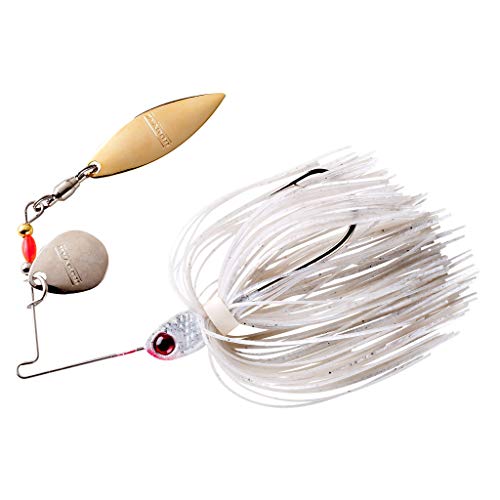
Our guide
9 Best Big Swimbaits for Catching Trophy Bass
Big swimbaits are one of the most effective ways to target the largest bass in a pond.

Our guide
10 Best Fishing Poles for Bass
A stout bass rod gives you the leverage to pull a heavy fish out of cover.
Questions
What is the best time of year to catch big bass in a pond?
Prespawn is often the best window, when water warms into the upper 50s and big females feed heavily before spawning. Fall can also be excellent as bass fatten up on baitfish. Exact timing depends on your region, so track water temperature rather than the date.
What time of day do big bass bite in ponds?
Big bass are most active in low light, so the first and last hour of daylight are prime. Overcast, windy, or lightly rainy days can keep them feeding all day. In summer, night fishing can also be productive where it is legal.
What size lure should I use for big pond bass?
Go bigger than you would for average fish, such as 10-inch worms, full-size jigs with trailers, and large swimbaits. Bigger baits help weed out small bass and appeal to large fish that want an easy, filling meal. Match the color and shape to the pond’s main forage when possible.
Can you catch big bass from the bank of a pond?
Yes, and many trophy pond bass are caught from shore. Approach quietly, cast parallel to the bank before casting outward, and focus on dam corners, inflows, points, and weed edges. A float tube or small boat helps reach water you cannot cover from the bank.
Should I keep or release big bass from a pond?
Release big bass so they can keep growing and spawning, which keeps the pond producing trophies. In some overcrowded ponds, harvesting a few smaller bass can actually help the remaining fish grow larger. Always follow your state’s regulations and the pond owner’s wishes.
Update log
Rewritten and expanded: clearer answers, 8 visual summaries, FAQ and related gear guides.


