
Fishing › Guides › How to Clean Rusty Fishing Hooks
You can clean light surface rust off fishing hooks by soaking them in white or apple cider vinegar, or by scrubbing them with a salt and lemon paste or a baking soda paste. Then rinse, dry, sharpen and oil them. If a hook is pitted, flaking or bends easily, replace it, because deep rust weakens the wire and it can fail on a good fish.
Key takeaways
- Light orange surface rust usually cleans off, but deep pitting means the hook is weaker and should be replaced.
- Vinegar works because of its acetic acid. Check on hooks every hour or two, and rinse them well when the rust is gone.
- After any acid method, rinse in fresh water, dry completely, sharpen the point and add a thin coat of oil.
- Rinsing used gear in fresh water and drying it before you store it is the best way to stop rust in the first place.
In this guide
- Clean It or Replace It? Check the Hook First
- What You Need Before You Start
- Method 1: The Vinegar Soak
- Method 2: Salt and Lemon Juice Paste
- Method 3: Baking Soda Paste for Light Rust
- Method 4: Sandpaper, Files and Rotary Tools
- After Cleaning: Dry, Sharpen and Protect
- How to Keep Hooks from Rusting Again
Clean It or Replace It? Check the Hook First
Before you reach for the vinegar, look closely at each hook. Rust is iron oxide, and it forms by eating into the steel. A thin orange haze on the surface hasn’t taken much metal yet. Deep brown crust and pitting have.
Most freshwater and many saltwater hooks are made of high-carbon steel with a thin protective finish like bronze, black nickel or tin. Once that finish is scratched or worn, the bare steel underneath rusts fast, especially in salt air. Stainless hooks resist rust much better, but they can still get surface spots or staining.
Here’s a quick test. Clean off a small spot and look at the wire. If it’s smooth under the rust, the hook is worth saving. If it’s pitted, if the point is eaten away or if the bend flexes when you pull on it with pliers, throw it out. Hooks are cheap compared with losing the fish of the season to a snapped bend.
One more note: the finish you remove while cleaning won’t come back. A cleaned hook is bare steel, so it will rust again sooner unless you oil it and dry it after every trip.

Hook condition and what to do
| What you see | Condition | Best move |
|---|---|---|
| Light orange dust that wipes partly off | Surface rust | Clean with a paste or a short vinegar soak |
| Even rust coating, wire still smooth underneath | Moderate rust | Vinegar soak, then scrub and sharpen |
| Crusty brown buildup, rough to the touch | Heavy rust | Try a soak, then inspect closely for pitting |
| Pits, holes or a thinned point | Structural damage | Replace the hook |
| Bend opens up with light pliers pressure | Weakened wire | Replace the hook |
| Rusty treble on a good lure | Hook only is bad | Swap the treble and keep the lure |
What You Need Before You Start
Most rust removal for hooks uses things already in your kitchen or garage. Gather everything before you start so wet, freshly cleaned hooks don’t sit around and start rusting again.
If the hooks are on lures, decide whether to clean them on the lure or take them off. Acid soaks can dull paint, scratch clear coats and hurt the finish on spoons and blades. For most lures it’s safer to take the trebles off with split ring pliers, clean them or replace them, and wipe the lure body by hand.
Work somewhere with good light and a towel underneath, because small hooks love to roll off tables. Keep the cleaned hooks separate from the rusty ones so you can track what’s done. Snelled hooks or hooks still on leader should be cut free first, because vinegar and scrubbing will weaken monofilament knots and you’ll want to retie anyway.

Rust removal supply list
- White vinegar or apple cider vinegar
- Salt and lemon juice (or a bottle of lemon juice)
- Baking soda
- Small glass jar with a lid
- Old toothbrush or small brass brush
- Fine steel wool or a ball of crumpled aluminum foil
- Fine-grit sandpaper or an emery board
- Hook file or hook sharpener
- Paper towels
- Light oil or a water-displacing spray
- Split ring pliers and needle-nose pliers
- Safety glasses and gloves
Method 1: The Vinegar Soak
A vinegar soak is the most reliable home method for moderate rust. Vinegar contains acetic acid, which dissolves iron oxide. (Older guides sometimes say it works because of alcohol, but it’s the acid that does the work.) White vinegar and apple cider vinegar both work. White vinegar is cheaper and leaves less residue.
Don’t leave hooks in vinegar for days and forget them. The acid keeps working on bare steel after the rust is gone, and long soaks can etch the metal and strip any finish that’s left. Light rust may lift in an hour or two. Heavier rust can take several hours or an overnight soak. Check on them as you go.
Adding a spoonful of salt to the vinegar can speed it up a little, but it also makes the mix more aggressive, so check more often if you do. When the rust looks soft or dark and wipes off with a brush, the soak is done.

Vinegar soak, step by step
- Prep the hooksRemove hooks from lures and line, and brush off loose dirt and old bait.
- Submerge fullyPut the hooks in a small jar and cover them completely with vinegar.
- Check regularlyLook every hour or two, and give a test hook a quick brush to see if the rust lifts.
- ScrubBrush off the softened rust with a toothbrush, fine steel wool or foil.
- NeutralizeSwish the hooks in water mixed with a spoonful of baking soda, then rinse in fresh water.
- Dry and protectDry completely with paper towels, sharpen the points and wipe on a thin coat of oil.
Neutralize afterward
After an acid soak, dip or rinse the hooks in a solution of baking soda and water. This neutralizes any leftover acid so the steel doesn’t start flash rusting while it dries. Then rinse with fresh water and dry right away.
Method 2: Salt and Lemon Juice Paste
Salt and lemon juice is a good option for light rust when you want results in under an hour. Lemon juice contains citric acid, which breaks down rust. Salt adds a little grit for scrubbing. Both are probably in your kitchen already.
Mix coarse or table salt with lemon juice until you have a thick paste. Coat the rusty parts of the hook, paying attention to the bend and the eye, where rust tends to collect. Let it sit for about 10 to 30 minutes, depending on how much rust there is.
Then scrub. Fine steel wool works well, and a ball of crumpled aluminum foil is a handy substitute that does a good job on small hooks. Work in the direction of the shank, and go easy around the point and barb so you don’t round them off.
Like vinegar, lemon juice is acidic, so finish the same way: rinse, neutralize with a quick baking soda dip, rinse again, dry completely and oil. This method has a hard time with thick, crusty rust. If a second round doesn’t clean the hook, either soak it in vinegar or retire it.

Method 3: Baking Soda Paste for Light Rust
Baking soda is mild and safe, and it’s the gentlest choice here. It isn’t an acid, so it doesn’t dissolve rust the way vinegar or lemon does. Instead it works as a soft abrasive that scrubs off loose surface rust. That makes it a great choice for spotty rust on hooks you want to treat carefully, and a poor choice for heavy buildup.
Mix baking soda with a few drops of water until it becomes a thick paste, about the texture of toothpaste. Spread it over the rusty spots and let it sit for 15 to 30 minutes. Then scrub with an old toothbrush, steel wool or foil, and wipe clean with paper towels. Rust stains cloth, so use something you don’t mind throwing away.
Because baking soda is alkaline, you don’t need a separate neutralizing step. Still, rinse well in fresh water, dry completely and add a thin coat of oil. If the rust doesn’t budge after two rounds, move on to a vinegar soak.

Tip: Combine methods for stubborn hooks. Soak in vinegar to soften the rust, scrub with a baking soda paste, and the baking soda neutralizes the leftover acid at the same time.
Method 4: Sandpaper, Files and Rotary Tools
When rust is stuck to a few large hooks, like big circle hooks, J-hooks for catfish or heavy saltwater hooks, mechanical removal is quick. Fine-grit sandpaper, an emery board or a small file will take rust off the shank and bend. Wrap the sandpaper around the wire and rub along its length.
Take it slowly. Every pass removes steel along with the rust, and small, thin-wire hooks can’t afford to lose much. That’s why this method makes sense for heavy-gauge hooks and is usually not worth it for small panfish or fly hooks. Those are cheaper and safer to replace.
A rotary tool with a wire brush or fine sanding attachment, set on low speed, works on big hooks. Clamp the hook in a vise or hold it firmly with locking pliers, never in your fingers. Keep the tool off the point and barb, and use a hook file to finish those by hand.

Safety note: Never hold a hook in your bare hand against a spinning rotary tool. Clamp it in a vise or locking pliers, wear eye protection and keep the tool away from the point.
Safety comes first
Wear safety glasses with any sanding or grinding, because rust flakes and wire bristles can fly. Wear gloves too. A rusty hook is still sharp, and a puncture from a dirty, rusty hook is a wound to clean well and watch closely. If you’re not up to date on your tetanus shot, talk to your doctor.
After Cleaning: Dry, Sharpen and Protect
What you do after cleaning matters as much as the cleaning. Bare, freshly cleaned steel can flash rust within hours if it stays damp. Dry every hook completely with paper towels, and let them air dry on a towel for a while before you put them away.
Next, sharpen. Rust and scrubbing both dull points. Run a hook file or sharpener along the point from the barb toward the tip, using light strokes on two or three sides to form a clean edge. A good test is to drag the point lightly across your thumbnail. If it catches instead of sliding, it’s sharp.
Finally, put on a very thin coat of protection. Light machine oil, gun oil or a water-displacing spray all work. Wipe off the excess, since a heavy coat can collect dirt and some anglers worry it gives off a scent fish notice. Many people use a scent-neutral product, or wipe hooks well before fishing.
Then retest strength. Grab the bend with pliers and give a firm, steady pull. If it opens, bends or cracks, the cleaning showed weak wire, and that hook belongs in the trash.
Comparing the four cleaning methods
| Method | Best for | Typical time | Watch out for |
|---|---|---|---|
| Vinegar soak | Moderate to heavy rust, many hooks at once | 1 hour to overnight | Over-soaking etches bare steel |
| Salt and lemon paste | Light rust, quick job | 10 to 30 minutes | Weak on thick crust |
| Baking soda paste | Light spotty rust, gentle cleaning | 15 to 30 minutes | Too mild for heavy rust |
| Sandpaper or rotary tool | Large, heavy-gauge hooks | A few minutes per hook | Removes metal, needs eye protection |
How to Keep Hooks from Rusting Again
Prevention beats cleaning every time, especially if you fish saltwater. Salt crystals hold moisture, so a hook that looks dry can keep rusting in your tackle box for weeks. The fix is a simple routine after every trip.
Keep a separate box for used hooks and lures. At home, rinse that gear in fresh water, or soak it for a few minutes if it saw a lot of salt, then dry everything completely before it goes back in the main box. Wet gear should never be closed up in a sealed box. Leave it open to air dry first.
Desiccant packs or rust-inhibiting tackle box inserts help a lot in humid regions and coastal areas. A light mist of a water-displacing spray inside the used gear box also helps. Store boxes indoors rather than in a hot boat compartment or truck bed, where heat and humidity speed up rust.
If you fish saltwater often, choose hooks built for it. Stainless steel and corrosion-resistant coatings hold up much better against salt. Our guide to the best fishing hooks for saltwater covers good options, and surf anglers can look at our picks for hooks for surf fishing. Keep in mind that in some places, regulations or conservation guidelines favor hooks that corrode quickly in fish, so check local rules for your fishery.

After-trip rust prevention routine
- Put used hooks and lures in a separate box on the water
- Rinse or soak used gear in fresh water at home
- Dry everything completely before storage
- Leave boxes open to air out if anything was damp
- Add a desiccant pack to each tackle box
- Wipe or mist hooks with a thin coat of light oil
- Store tackle indoors, away from heat and humidity
- Replace any hook that shows pitting or weak wire
Gear that helps

Our guide
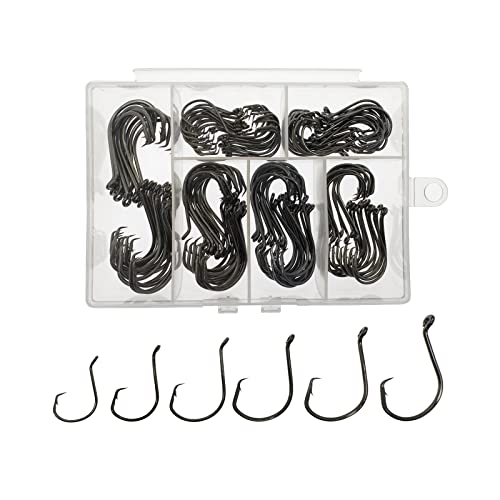
10 Best Fishing Hooks for Saltwater
Corrosion-resistant saltwater hooks rust much more slowly, so you’ll clean them less often.
Our guide
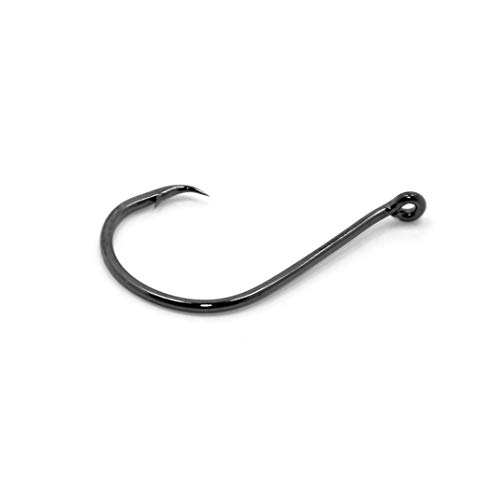
10 Best Hooks for Surf Fishing
Surf hooks deal with constant salt spray and sand, so tough, rust-resistant picks are worth having.
Our guide
9 Best Circle Hooks for Fishing
If cleaning shows a hook is too weak to keep, these are dependable replacements for bait fishing.
Questions
Is it safe to fish with a slightly rusty hook?
Light surface rust doesn’t make a hook useless, but it dulls the point and means the wire is starting to corrode. Clean it and sharpen it first. If the hook is pitted or bends easily, replace it, because it could fail under a heavy fish.
How long should I soak fishing hooks in vinegar?
Light rust often lifts in one to two hours, and heavier rust may need several hours or an overnight soak. Check every hour or two, and take the hooks out once the rust brushes off. Long soaks can etch bare steel.
Does WD-40 remove rust from fishing hooks?
Water-displacing sprays are better at preventing rust than removing it. They can loosen very light surface rust when you scrub, but for real rust removal, vinegar or a lemon paste works better. Use the spray afterward as a thin protective coat.
Can I clean rusty treble hooks while they’re still on the lure?
You can, but acid soaks and scrubbing can damage the lure’s paint and finish. It’s usually better to take the trebles off with split ring pliers and clean or replace them separately. Replacing trebles is quick and often makes more sense than cleaning small, thin hooks.
Do stainless steel hooks rust?
Stainless steel hooks resist rust much better than high-carbon steel hooks, but they aren’t completely rustproof. They can get surface spots, especially if they’re stored wet with salt on them. Rinsing and drying them after use keeps them in good shape.
Update log
Rewritten and expanded: clearer answers, 7 visual summaries, FAQ and related gear guides.


